
-
Transformation of the Scandinavian hunter-fisher-gatherer population throughout the Mesolithic
Several researchers from the Lab were involved in writing this article, which is part of Natalija Kashuba’s doctoral thesis. Kashuba, N., Bernhardsson, C., Boethius, A., Fraser, M., Günther, T., Götherström, A., … & Jakobsson, M. (2024). Transformation of the Scandinavian hunter-fisher-gatherer population throughout the Mesolithic. https://www.diva-portal.org/smash/record.jsf?pid=diva2%3A1842112 Paper summary A joint archaeogenetic perspective integrates diverse lines…
-
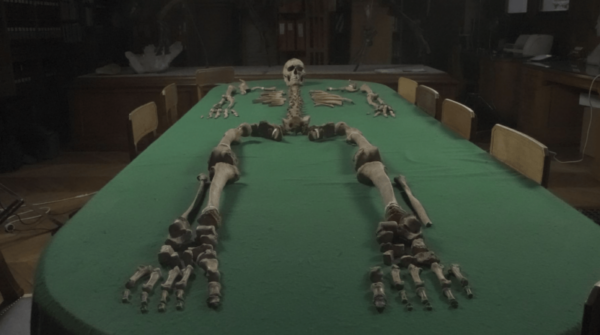
Genomic ancestry and social dynamics of the last hunter-gatherers of Atlantic France
A new article on exogamic practices of hunter-gatherers, by Simões et al. (2024) was published in PNAS, Anthropology. Significance Since the early Holocene, western and central Europe was inhabited by a genetically distinct group of hunter-gatherers. We generated different types of biomolecular data, including deep coverage complete genome sequencing, from human skeletal remains buried in…
-
The genetic changes that shaped Neandertals, Denisovans, and modern humans
New paper in Cell: Zeberg, H., Jakobsson, M., & Pääbo, S. (2024). The genetic changes that shaped Neandertals, Denisovans, and modern humans. Cell, 187(5), 1047-1058. https://doi.org/10.1016/j.cell.2023.12.029 Modern human ancestors diverged from the ancestors of Neandertals and Denisovans about 600,000 years ago. Until about 40,000 years ago, these three groups existed in parallel, occasionally met, and exchanged genes.…
-
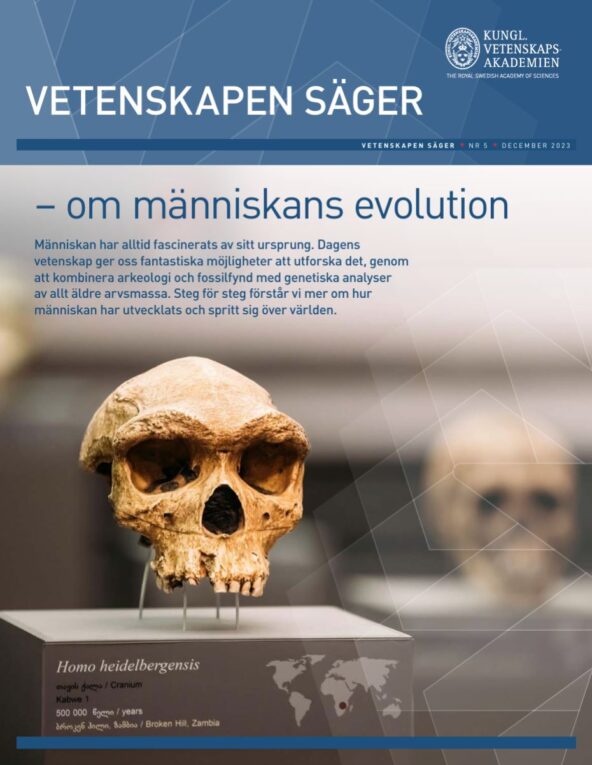
Explaining human evolution: Ny populärvetenskaplig skrift berättar om människans evolution (Swedish)
Science says – about human evolution is the fifth in a series of popular science writings from the Royal Swedish Academy of Sciences, produced and distributed with the support of the Nature & Culture Foundation. The goal is to spread science-based information on important and current topics to the public, especially those where research has…
-

Uppsala University’s 2023 Linnaeus Medal awarded to Mattias Jakobsson
Uppsala University’s Linnaeus Medal was first awarded on 23 May 2007 in connection with the 300th anniversary of the birth of Carl Linnaeus. The gold medal is conferred “for, in particular, truly outstanding scientific achievement, especially in the Linnaean subject areas or fields related to the legacy of Linnaeus”. Mattias Jakobsson is being honoured for…
-
Thuréus Prize goes to…
Mattias receives Thuréus Prize for “having enhanced understanding of human evolution” from the Royal Society of Sciences UU news item: Thuréus Prizes awarded to three outstanding researchers
-
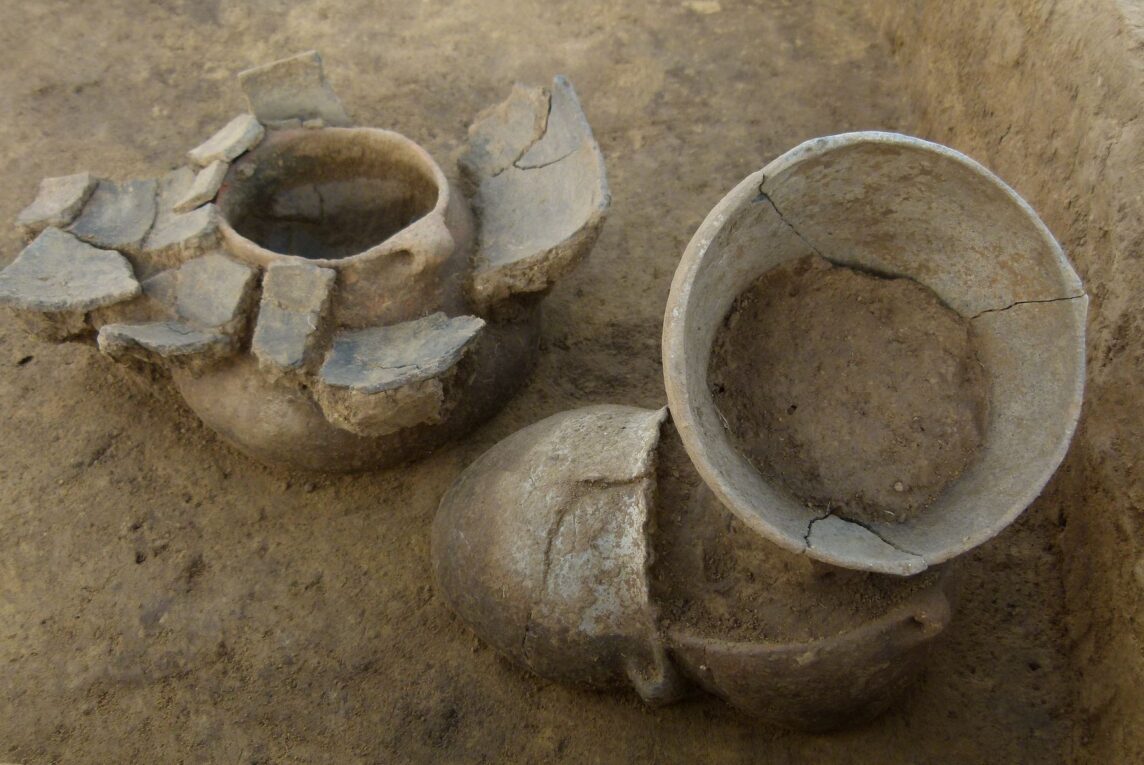
Genetic continuity, isolation, and gene flow in Stone Age Central and Eastern Europe
A new paper by Tiina Mattila and others (2023) is published in Nature, Communications Biology Abstract The genomic landscape of Stone Age Europe was shaped by multiple migratory waves and population replacements, but different regions do not all show similar patterns. To refine our understanding of the population dynamics before and after the dawn of…
-

Northwest African Neolithic initiated by migrants from Iberia and Levant
A new article by Luciana Simões and others from the Jakobsson Lab is published in Nature. Abstract In northwestern Africa, lifestyle transitioned from foraging to food production around 7,400 years ago but what sparked that change remains unclear. Archaeological data support conflicting views: (1) that migrant European Neolithic farmers brought the new way of life to…
-
New grant from the Swedish Research Council
Mattias Jakobsson received funds to start a new project, A genetic model for the evolution of H. sapiens, from 1 Jan 2023. The project will run until end of 2025. Congratulations! Project summary Genetic variation forms the basic material that allows evolutionary change over time. Finding, describing and utilizing genetic variation to understand human evolutionary…
-
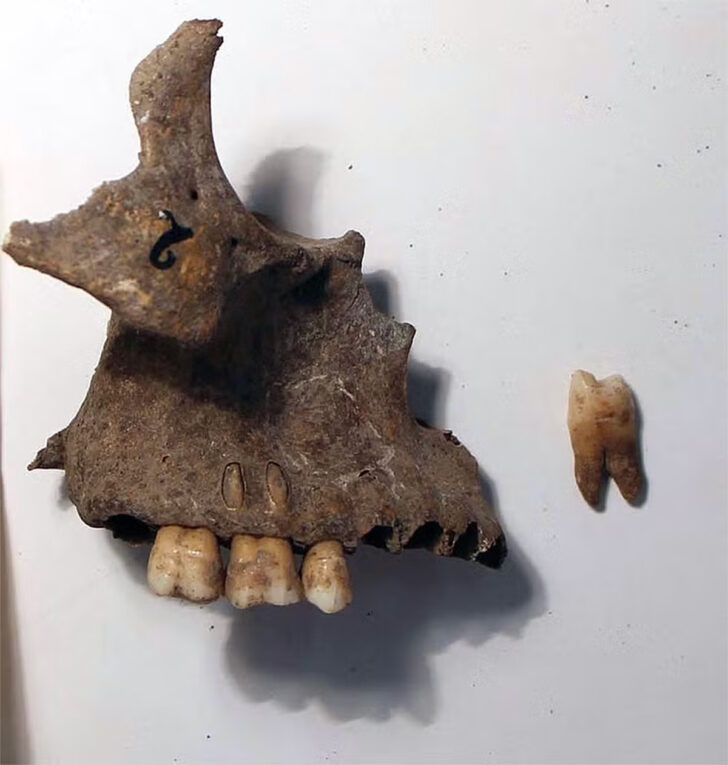
Multidisciplinary investigation reveals an individual of West African origin buried in a Portuguese Mesolithic shell midden four centuries ago
A multidisciplinary approach to an old burial site reveals new secrets in the human past. The article, by Peyroteo Stjerna et al. (2022) were published in the Journal of Archaeological Science: Reports Highlights Related content 350 years old remains in a Stone Age site in Portugal