
-
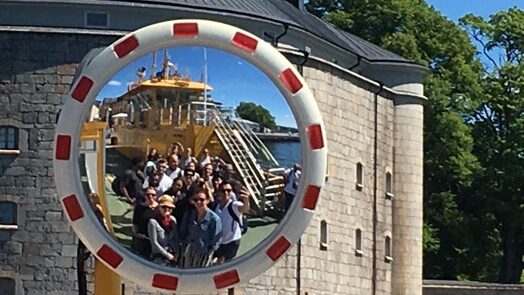
Lab Retreat – Vaxholm 2018
This year we visited the Vaxholm Kastell just outside Stockholm during the Lab Retreat. Given the nice weather, we enjoyed a picnic, and some of us went swimming. The trip was completed with a visit to the Vaxholm Museum. Some impressions are shown in the slide show.
-
Investigating Holocene human population history in North Asia using ancient mitogenomes
Members of the group were involved in a study published in the Scientific Reports. Analyses of complete mitochondrial genomes of 41 ancient humans from North Asia revealed long-term genetic continuity in the region. We further detected signatures of gene flow or population structure, altogether highlighting the complexity of human demographic history. Abstract Archaeogenomic studies have largely…
-
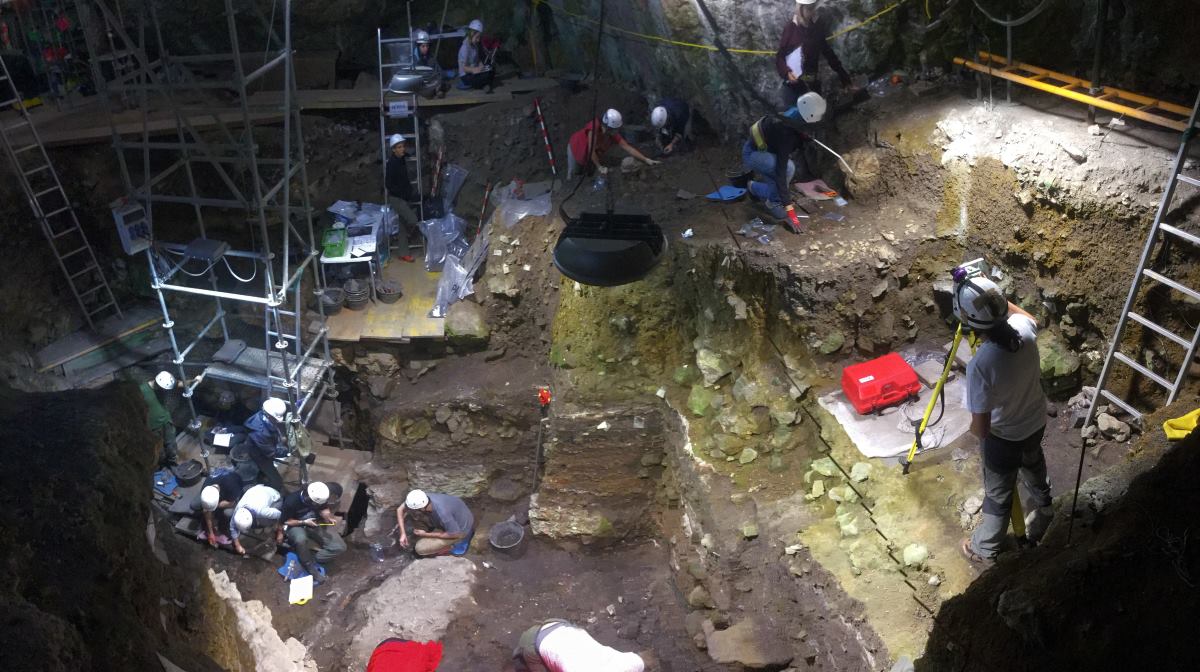
Four millennia of Iberian biomolecular prehistory illustrate the impact of prehistoric migrations at the far end of Eurasia
The team was involved in a multidisciplinary study highlighting the temporal genetic changes caused by prehistoric migrations into Iberia. The analyses of ancient human remains shed light into the origin of farming life-style in the far west of Eurasia. The study is published in PNAS. Significance The gene pool of modern Europeans was shaped through prehistoric…
-
Schlebusch Lab is born!
The Human Evolution Program is growing. Carina has now established her own research group here at Uppsala University but we will keep working together in the Human Evolution Program. The Schlebusch Lab will focus primarily on the history of humans in Africa. Congratulations!
-
New insights on cultural dualism and population structure in the Middle Neolithic Funnel Beaker culture on the island of Gotland
Magdalena Fraser and others have published new insights into the Neolithic Funnel-Beaker culture. This multidisciplinary article in the Journal of Archaeological Science: Reports and revealed intriguing results regarding the genetics, diet, and culture of this ancient human population. Highlights Abstract In recent years it has been shown that the Neolithization of Europe was partly driven by…
-
Love Evolution! Darwin Day 2018
A group from the Jakobsson Lab (Arielle, Nina, James, Tatiana, Alex, Luciana and Gwenna) participated in the Love Evolution! Darwin Day 2018. We prepared an interactive station at which children learned more about ancient DNA and the stories we tell from its analyses. Some impressions of the fun event can be seen here.
-

Ancient human DNA: How sequencing the genome of a boy from Ballito Bay changed human history
Carina and Mattias were involved in a commentary article in the South African Journal of Science describing the scientific merits of the genome of a ancient boy from South Africa.
-
Patterns of variation in cis-regulatory regions: examining evidence of purifying selection
Thijessen and others from the group highlighted the genomic signatures of purifying selection under consideration of confounding factors such as demography. The results appeared in BMC Genomics. Abstract Background With only 2 % of the human genome consisting of protein coding genes, functionality across the rest of the genome has been the subject of much…
-
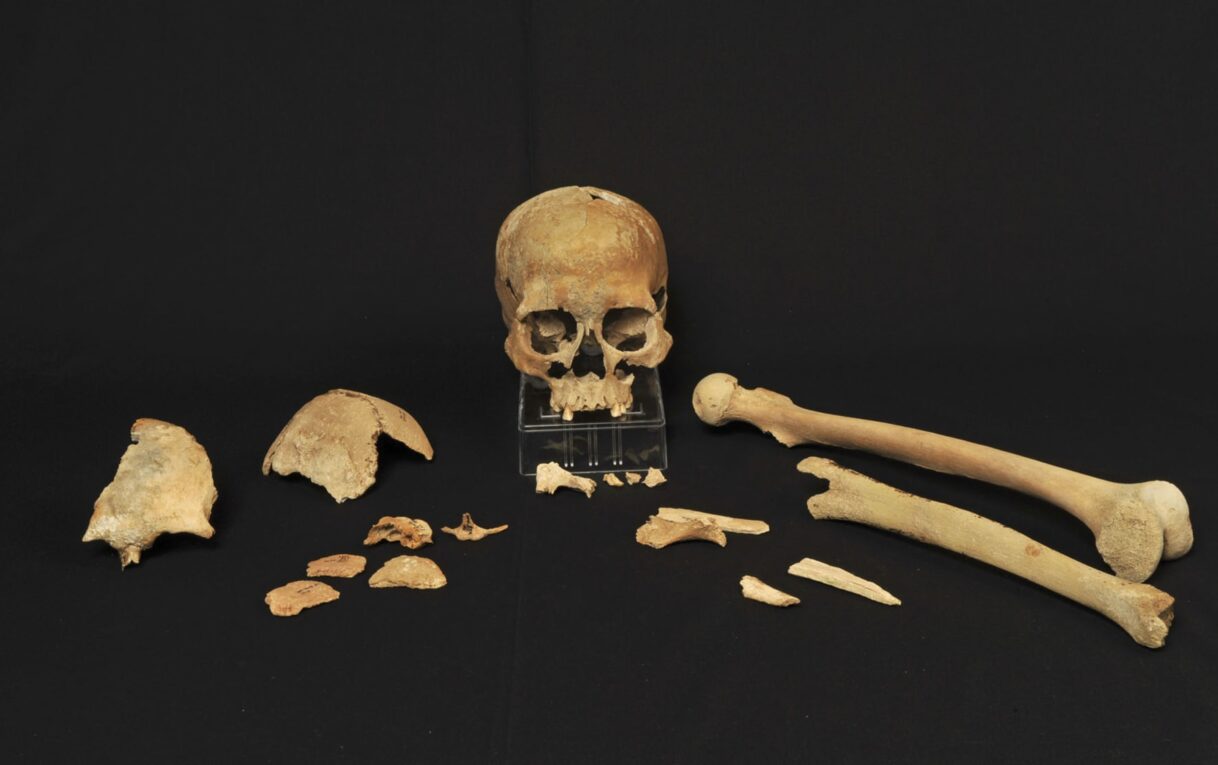
Population genomics of Mesolithic Scandinavia: Investigating early postglacial migration routes and high-latitude adaptation
A massive team effort has resulted in a new study on Mesolithic Scandinavians published in PLoS Biology. The study reveals that two migration routes built the foundation for a very diverse Mesolithic human population in Scandinavia and also highlights loci under selection in accordance with life in the high North. Author summary The Scandinavian peninsula was…
-
Human Diversity Network Meeting
We organized a meeting on Human diversity with special focus on genetics taking place on Monday, Feb. 5th 2018 here at Uppsala University. Find the schedule and more detailed information below.