
-
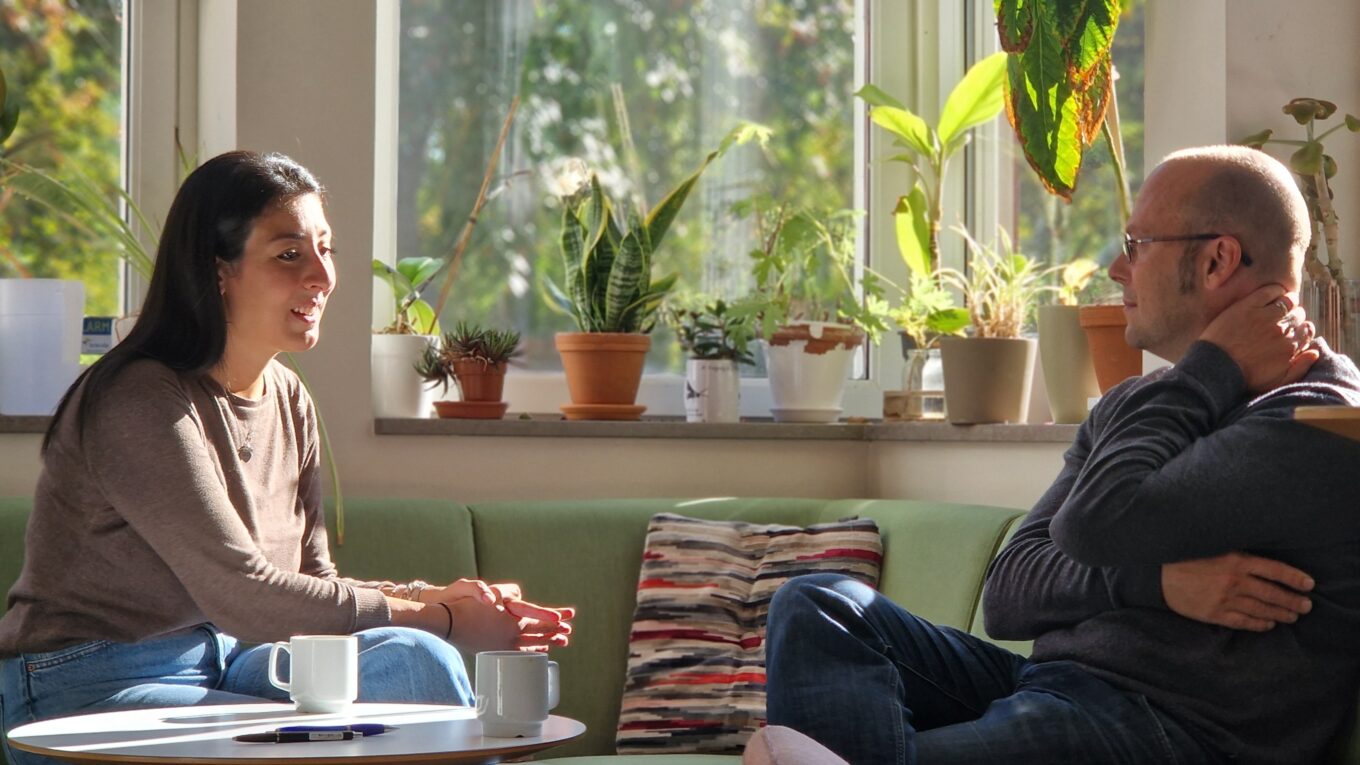
New face in the Jakobsson Lab
Linda Pratesi is a PhD student in Evolutionary Biology and Ecology at the University of Florence, Italy. She has a strong background in molecular biology and direct experience in ancient DNA research. During her Master’s internship in forensic molecular anthropology, Linda developed advanced laboratory skills and became increasingly interested in evolutionary molecular anthropology, which is…
-
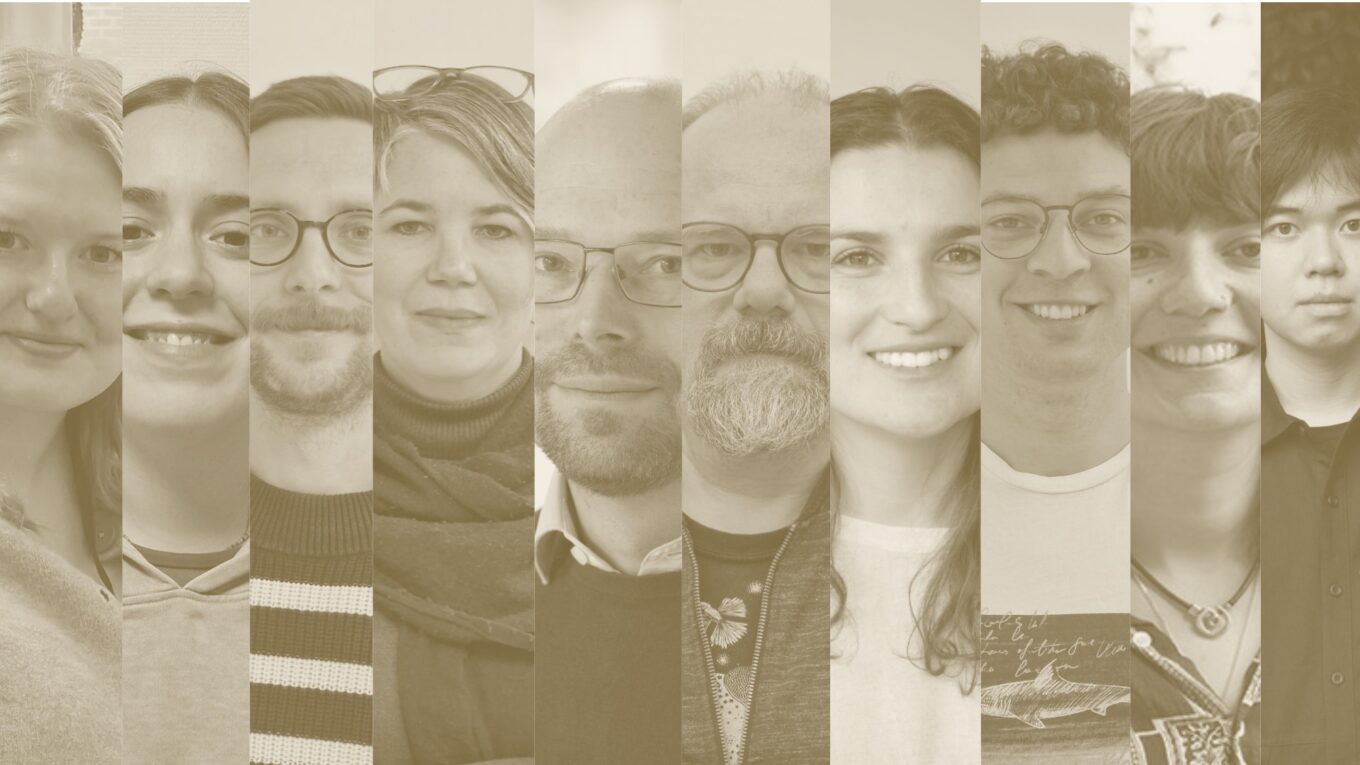
Tan Xujie continues with the Jakobsson Lab in a new role
Xujie Tan (he wants to be called Tan), our junior research trainee in the spring, will stay with us for a whole academic year. This time, in the role of a master’s student. He will continue working with mutation spectra models under Per Sjödin’s supervision. Welcome back to our group!
-
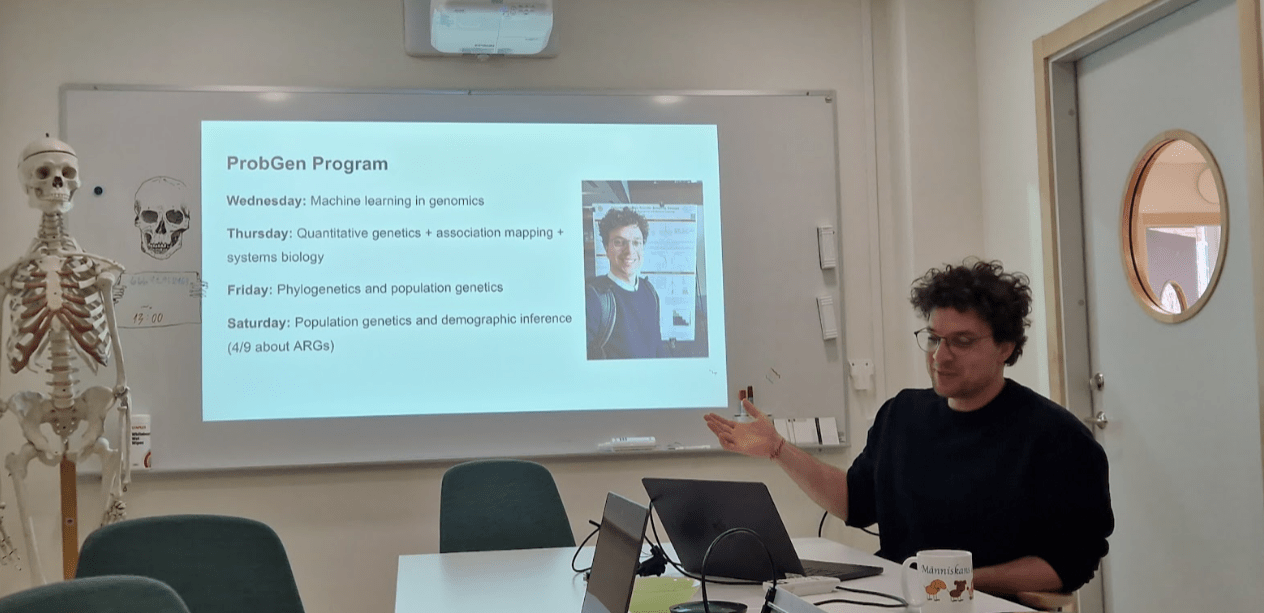
Mark starts in a new position
Mark Chernyshev, a postdoctoral researcher in the Jakobsson Lab for the past year, is leaving Uppsala University to start the next exciting chapter in his professional life. In his own words: “I’m super thrilled to announce that I started a new role as a Senior Bioinformatics Engineer at MiLaboratories! It feels extremely fulfilling to be…
-
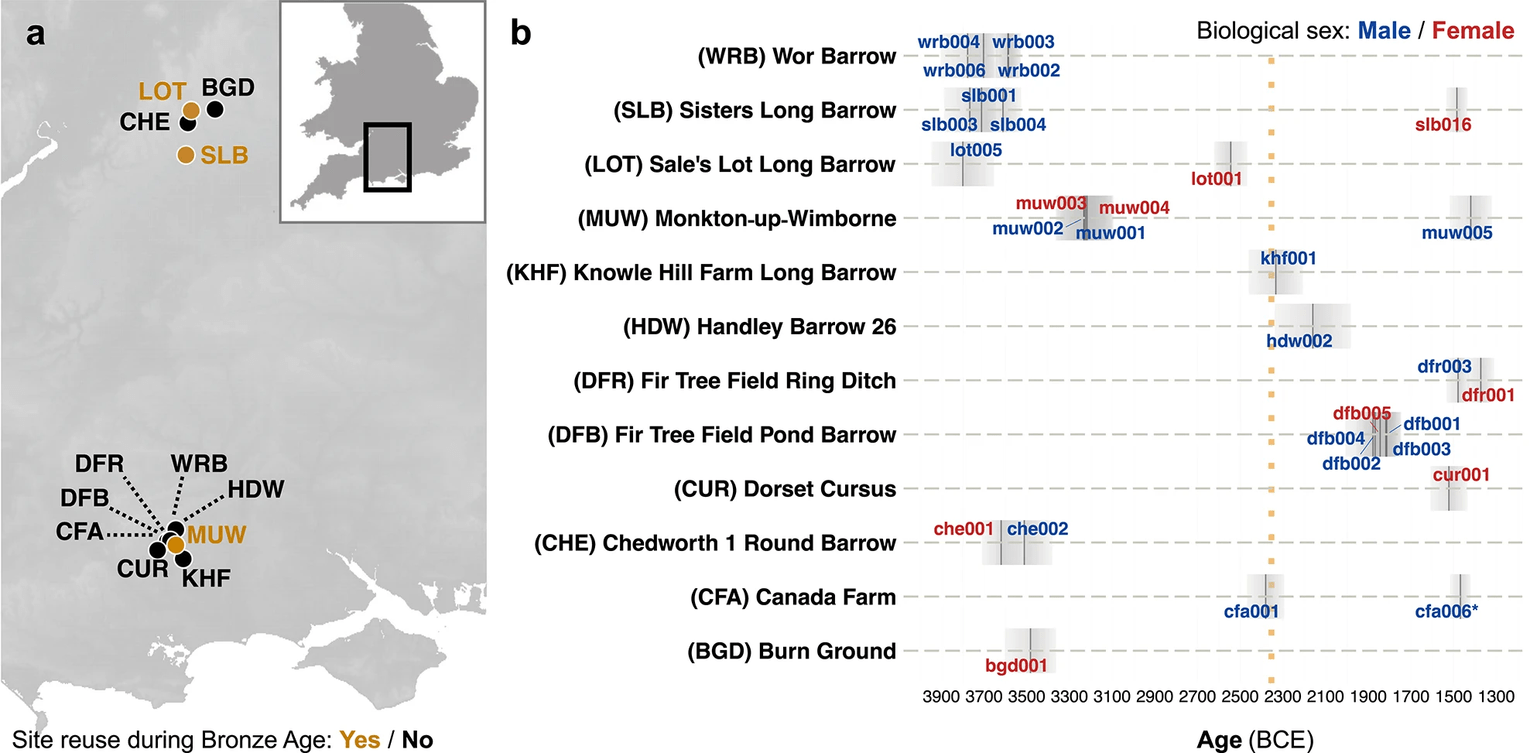
Diachronic reuse of Neolithic burial monuments by Bronze Age newcomers in Southwestern Britain
A new paper, co-authored by Nikola Vuković, Carolina Bernhardsson and Mattias Jakobsson, has recently been published in Scientific Reports:Vuković, N., Bernhardsson, C., Edlund, H., Delbarre, G., Smith, M., Darvill, T., Green, M., Endicott, P. & & Jakobsson, M. (2026). Diachronic reuse of Neolithic burial monuments by Bronze Age newcomers in Southwestern Britain. Scientific Reports, 16(1), 26819. DOI: https://doi.org/10.1038/s41598-026-66094-z…
-
We’re saying goodbye to Luciana
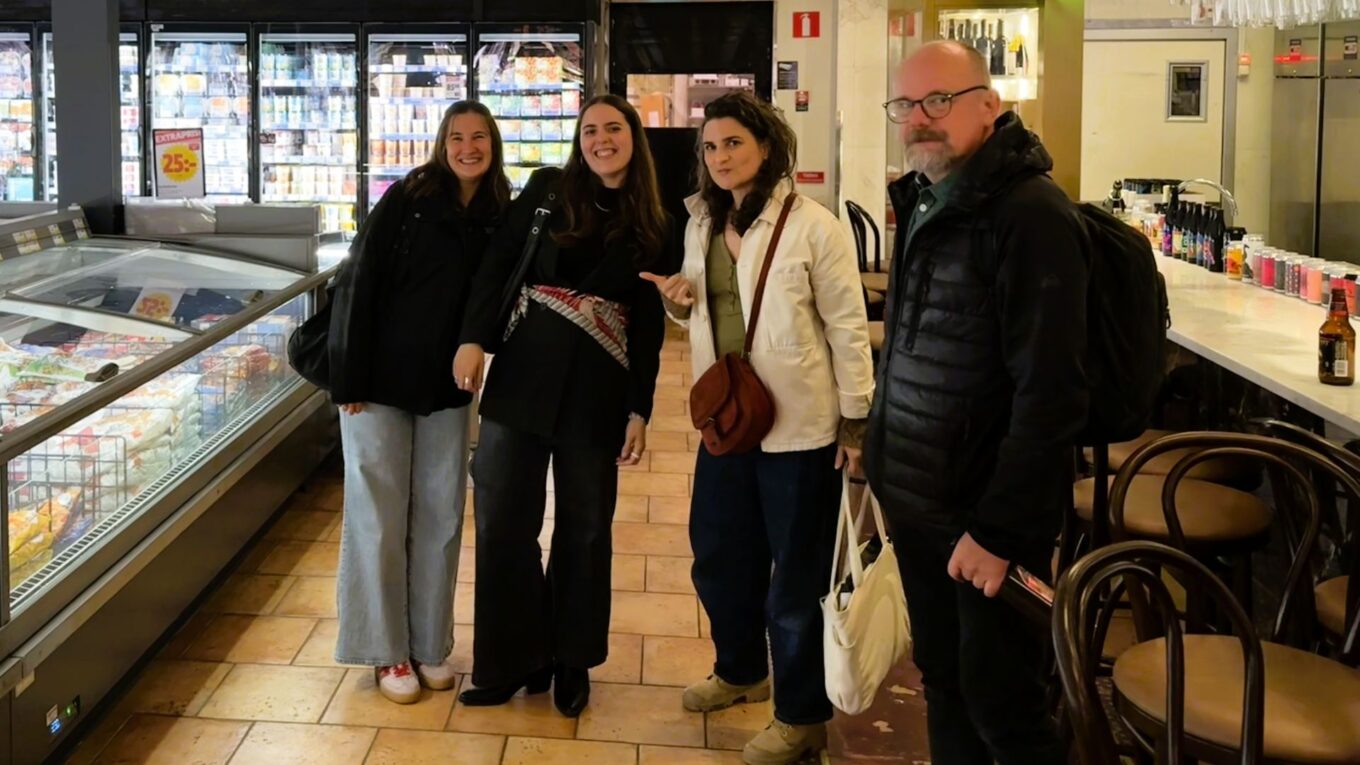
After 11 years in various roles at Uppsala University and the Human Evolution Program, Luciana Simões starts a new chapter in her professional career. The VR-funded international postdoc grant allows her to run her own research project with Emilia Huerta-Sanchez at Trinity College Dublin and the Natural History Museum in Stockholm. We certainly hope she’ll…
-
What’s on at ICP2026 this week
For many at the Jakobsson Lab (if not all), the summer starts with the International Paleogenomics Conference in Stockholm, 23-26 June. On Tuesday, Mattias delivered a keynote on The unique genomics of ancient southern Africans. In the afternoon, Nik gave a talk on Local hunter-gatherer legacies in Neolithic Iberian genomes (4300-1700 yrs BCE). We are…
-
Tan Xujie’s research training completed
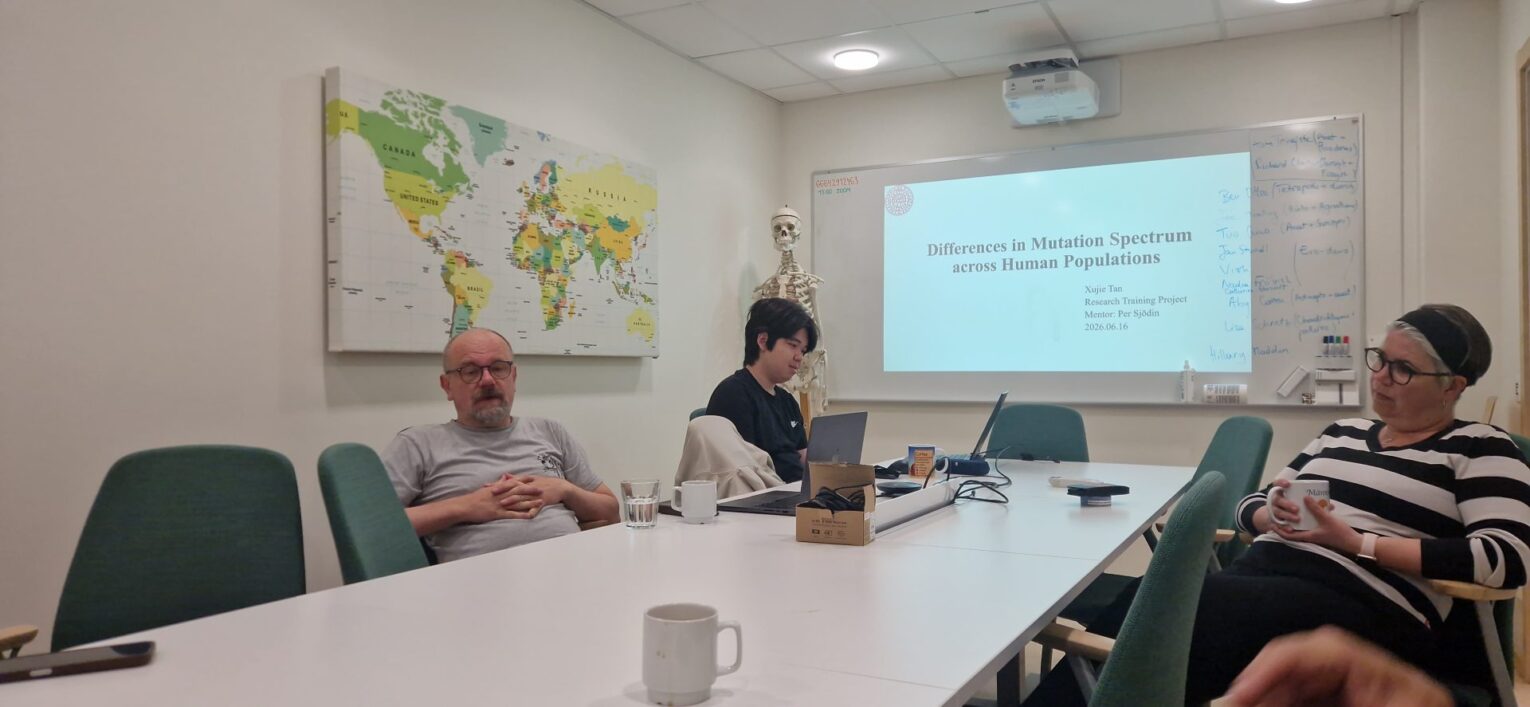
Tan’s research training, supervised by Per Sjödin, has come to an end prior to the start of studies towards a Master’s degree. Tan presented the results of his work on “Differences in Mutation Spectrum Across Human Populations”, focusing on mutation drivers and methods, at last week’s group meeting. Thanks for your contribution to the team…
-
Mariam receives funds to work on the Zdansky collection
Mariam is a successful awardee of a Uppsala University R Sernanders stipendiestiftelse scholarship (https://uaf.se/en/find-scholarships/our-foundations/r-sernanders-stipendiestiftelse/). The goal to directly advance the Foundation’s objectives in Quaternary geology and the history of fauna will be achieved by utilising soil genetics to analyse the sedimentary matrix of the Zdansky collection. Congratulations, Mariam!
-
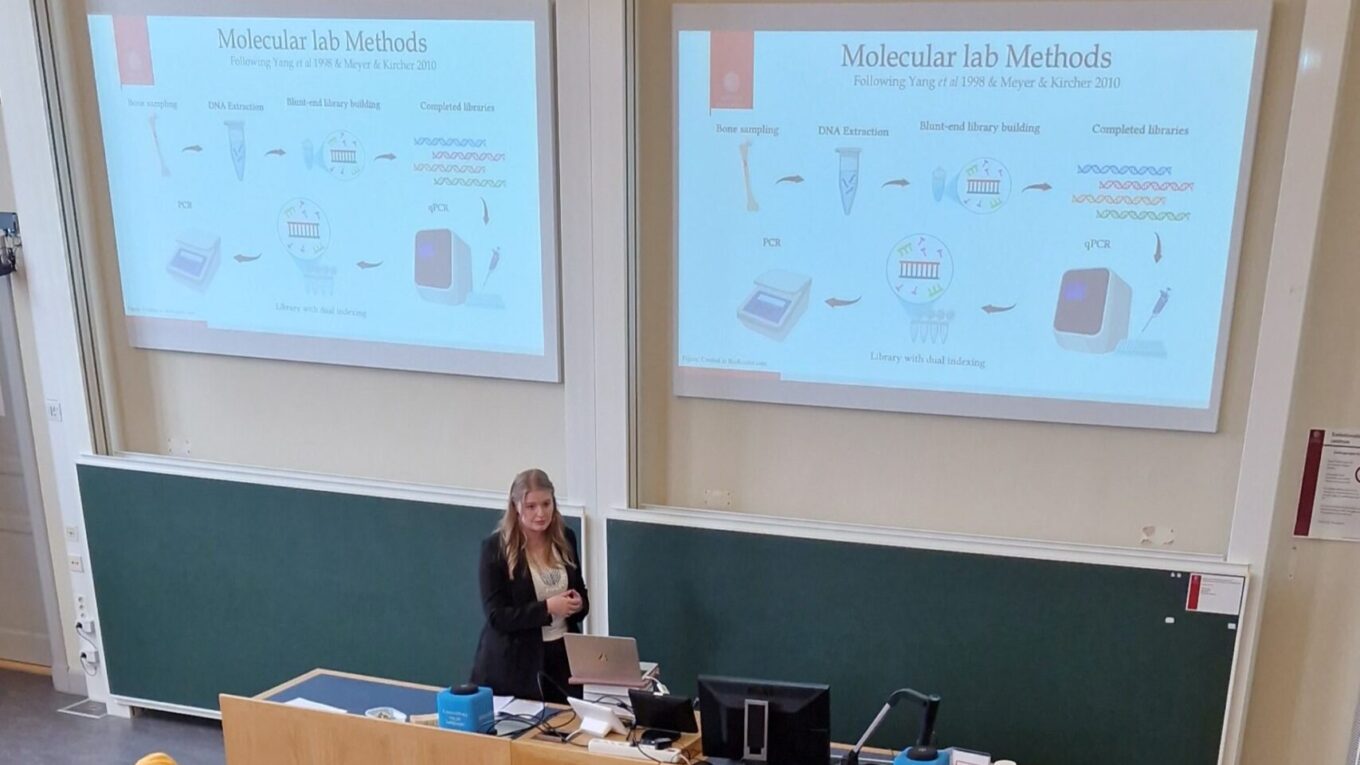
Louise successfully defends her Master’s thesis
Louise Olsson has completed her Master’s degree programme in biology, and successfully defended her thesis, entitled Genomic History of Northwestern Africa since the Iron Age, on Tuesday, 2 June. We all join the supervisor, Luciana Simões, in congratulations! The project summary can be found in another news item:
-
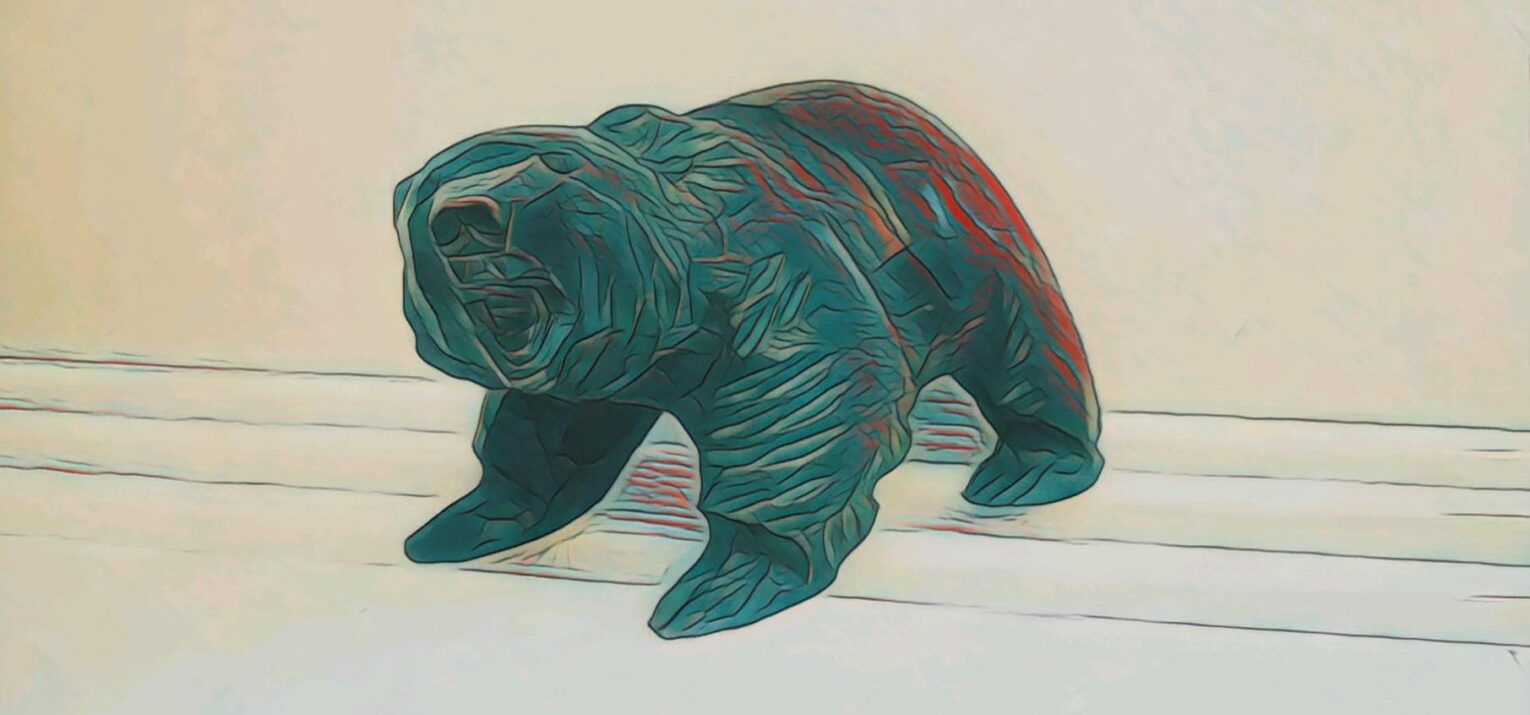
Animals in indigenous mortuary practices and traditions
Rita Peyroteo-Stjerna has participated in the workshop: The Archaeology of Animal Handling in Mortuary Practices in the Circumpolar North and Arctic in (Pre)historic Time, organised by Markus Fjellström (SU), Astrid A. Noterman (SU and UU), and Ingrid Sommerseth (The Arctic University Museum of Norway) in Tromsø, Norway, 18-20 May 2026. Aim and background In the…