Latest news
-
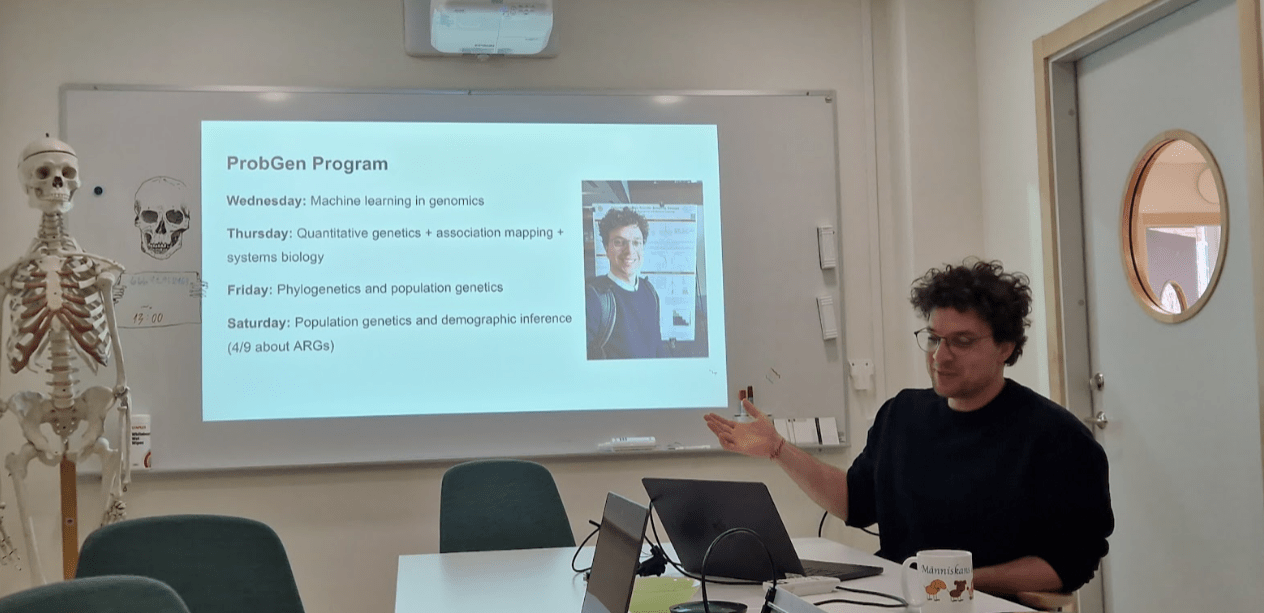
Short report from ProbGen 2026
Mark Chernyshev attended the Probabilistic Modelling in Genomics conference in Berkeley, California, 25-28 March 2026 (ProbGen2026). The conference attracted around 1000 participants, and approximately 300 posters were displayed and discussed. Mark presented some of his research in the poster: Detecting Sapiens-Specific Selective Sweeps by Leveraging Deep Divergence and Machine Learning. Abstract Identifying the selective pressures…
-
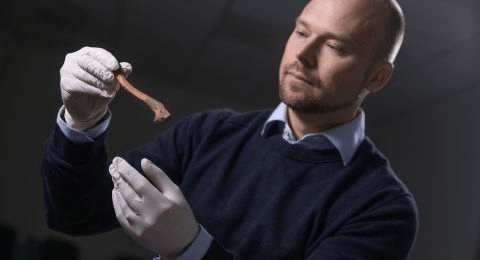
Researcher profile: Mattias Jakobsson
Sometimes we know little about the people we work closely with. Uppsala University has recently published a researcher profile about the head of the Jakobsson Lab. Mattias’ research casts new light on human prehistory. “When you’re allowed to think freely, brainstorm and speculate. And the unknown, when we discover completely different things than what we…
-
Mark Chernyshev invited to attend 75th Lindau Nobel Laureate Meeting
“I’ve always believed that transformative research happens at the intersection of fields, so I am particularly thrilled to announce I have been selected to attend the interdisciplinary 75th Lindau Nobel Laureate Meeting!I’m looking forward to this rare opportunity to exchange ideas with young scientists and laureates across all Nobel disciplines.” This interdisciplinary event will take…
-
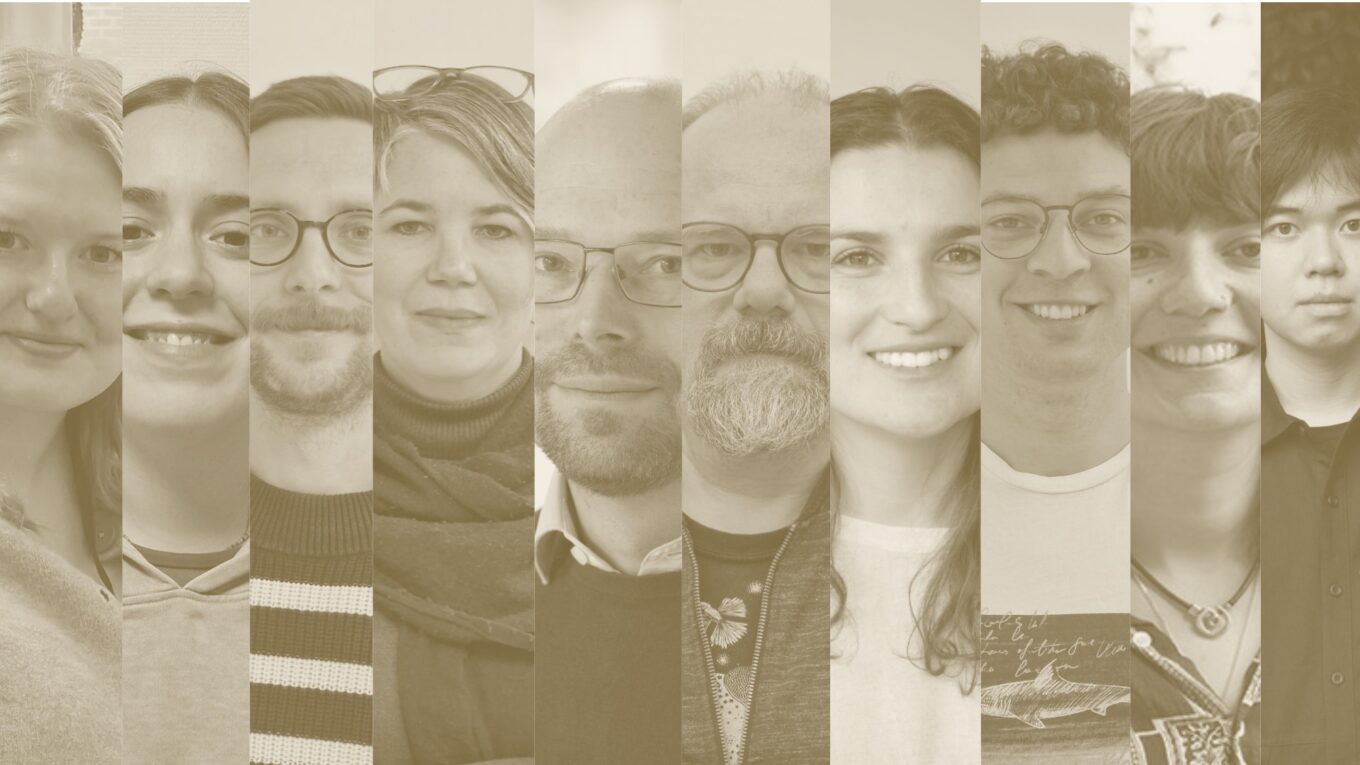
Meet Tan Xujie, a new junior research trainee in the Lab
Tan Xujie has just started research training in the Jakobsson Lab. For the next 4 months, he will work with Per Sjödin to examine how mutation spectra (which types of mutations are most common) vary across genomes. More specifically, how much they differ between modern humans, Neanderthals and Denisovans. Welcome to the group, Tan!
-
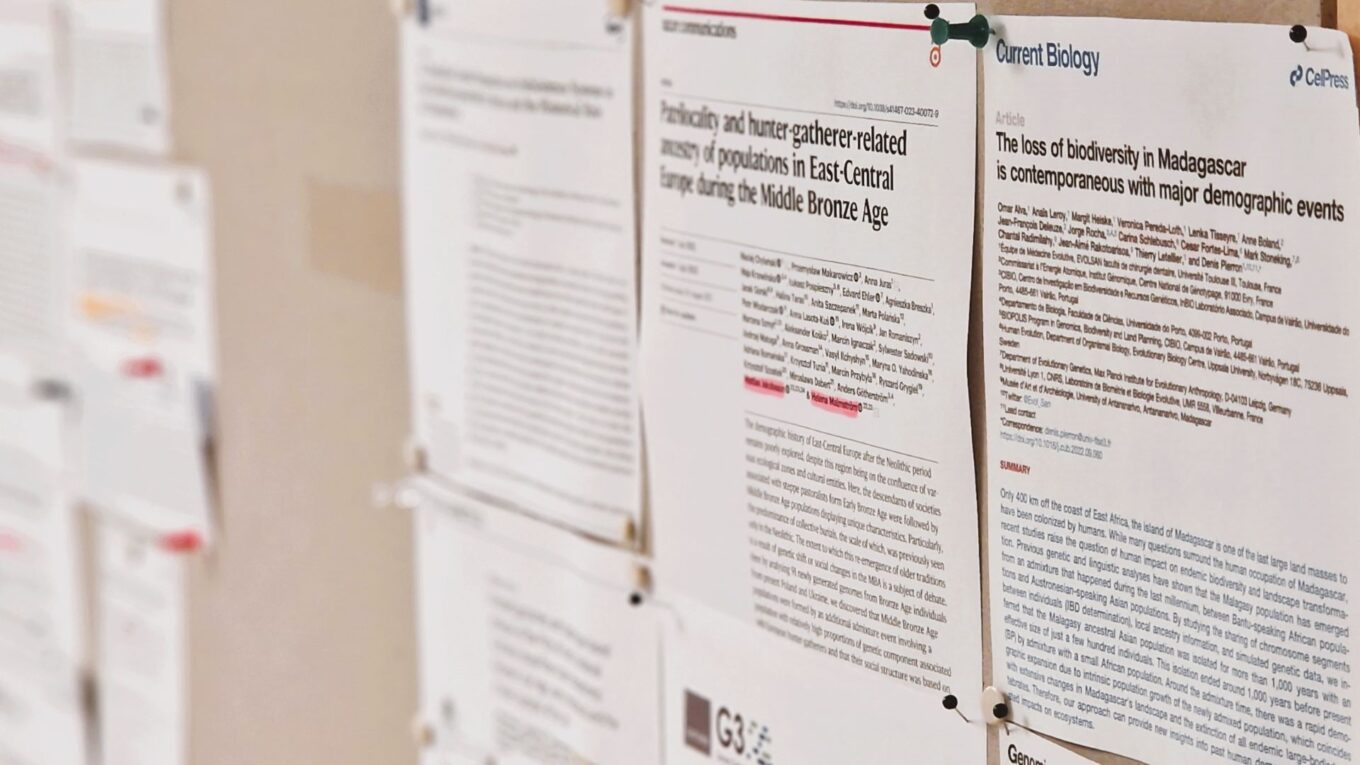
Beyond bones: how biomolecular archaeology is challenging the definition of ancient human remains and its ethical implications
A new paper by Rita Peyroteo Stjerna and Mari Tõrv has been published in World Archaeology. Peyroteo-Stjerna, R., & Tõrv, M. (2026). Beyond bones: how biomolecular archaeology is challenging the definition of ancient human remains and its ethical implications. World Archaeology, 1-12. DOI: https://doi.org/10.1080/00438243.2026.2632228 Abstract Technological advancements in the twenty-first century have profoundly transformed archaeological research.…
-
Genetic relatedness mattered in the co-burial ritual of Neolithic hunter–gatherers
Mattila, T. M., Fraser, M., Koelman, J., Krzewińska, M., Ivarsson-Aalders, M., Götherström, A., Jakobsson, M., Storå, J., Günther, T., Wallin, P. & Malmström, H. (2026). Genetic relatedness mattered in the co-burial ritual of Neolithic hunter–gatherers. Proceedings of the Royal Society B: Biological Sciences, 293(2065). DOI: https://doi.org/10.1098/rspb.2025.0813 Abstract Kin relations among past societies can offer valuable information about…