
A new paper by Rita Peyroteo Stjerna and Mari Tõrv has been published in World Archaeology.
Peyroteo-Stjerna, R., & Tõrv, M. (2026). Beyond bones: how biomolecular archaeology is challenging the definition of ancient human remains and its ethical implications. World Archaeology, 1-12. DOI: https://doi.org/10.1080/00438243.2026.2632228
Abstract
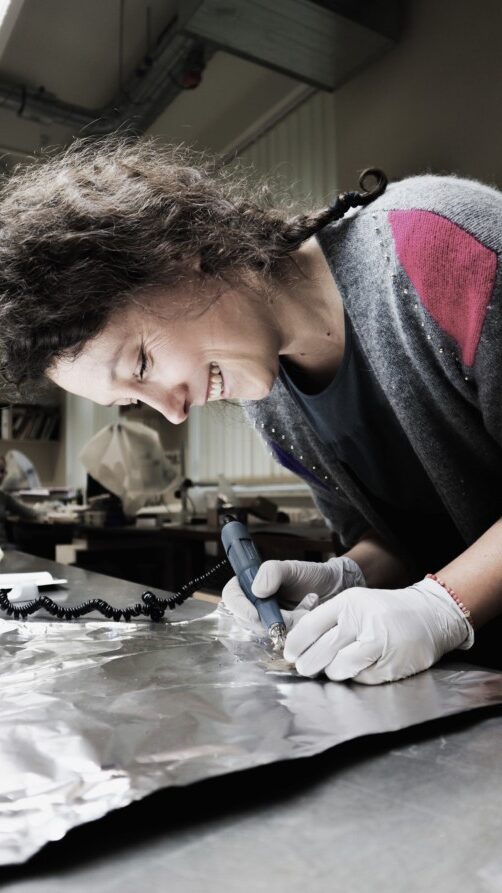
Technological advancements in the twenty-first century have profoundly transformed archaeological research. Biomolecular archaeology has emerged as a pivotal field, generating vast quantities of molecular data and products such as DNA extracts and protein profiles. This paper examines how ancient human remains, once studied primarily through osteology and archaeological context, have become data-generating resources, extracted, processed, and circulated as molecular substrates. We explore how this molecular turn challenges traditional definitions of human remains, as biomolecular products increasingly circulate independently of the bodies from which they originate. Drawing on current examples and professional guidelines, we highlight emerging dilemmas by questioning the narrow conceptualization of human remains and addressing the implications of treating them as data. Ultimately, we argue for an ethical framework in biomolecular archaeology that is adaptive, inclusive, and responsive – one that honours scientific innovation while safeguarding the dignity of past individuals and respecting the concerns of present communities.