In southern Africa, a group of people lived in partial isolation for hundreds of thousands of years. This is shown in a new study based on analyses of the genomes of 28 people who lived between 10,200 and 150 years ago in southern Africa. The researchers also found genetic adaptations that likely shaped Homo sapiens as a species. The study, the largest to date of African ancient DNA, is published in Nature.

Jakobsson, M., Bernhardsson, C., McKenna, J., Hollfelder, N., Vicente, M., Edlund, H., Coutinho, A., Sjödin, P., Brink, J., Zipfel, B., Malmström, H., Lombard, M. & Schlebusch, C. (2025). Homo sapiens-specific evolution unveiled by ancient southern African genomes. Nature. https://doi.org/10.1038/s41586-025-09811-4





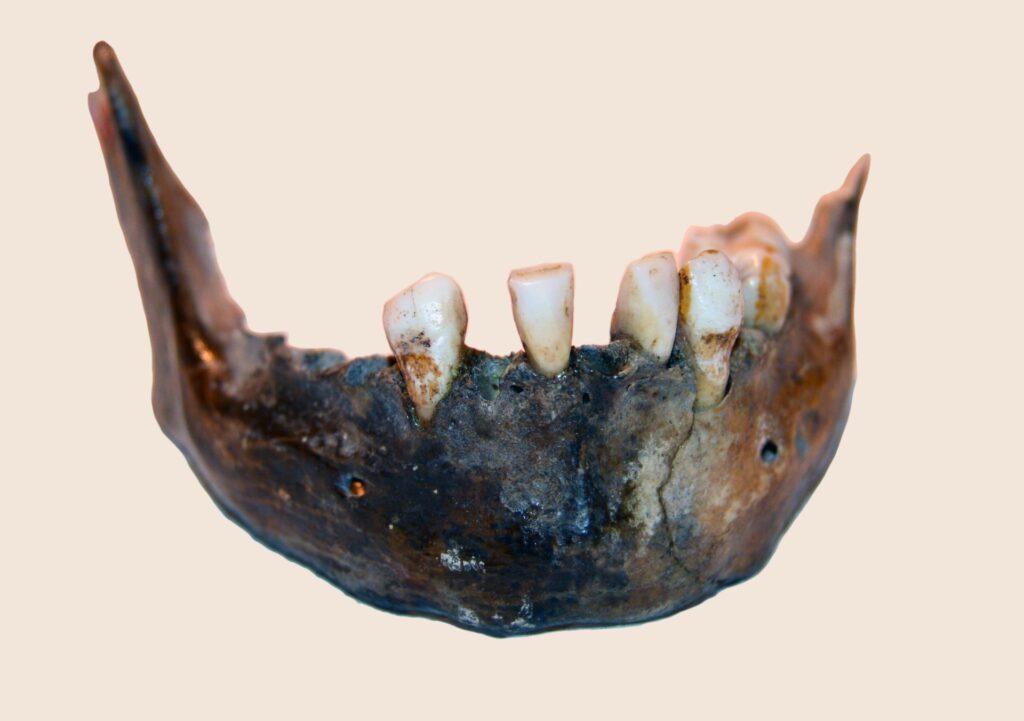
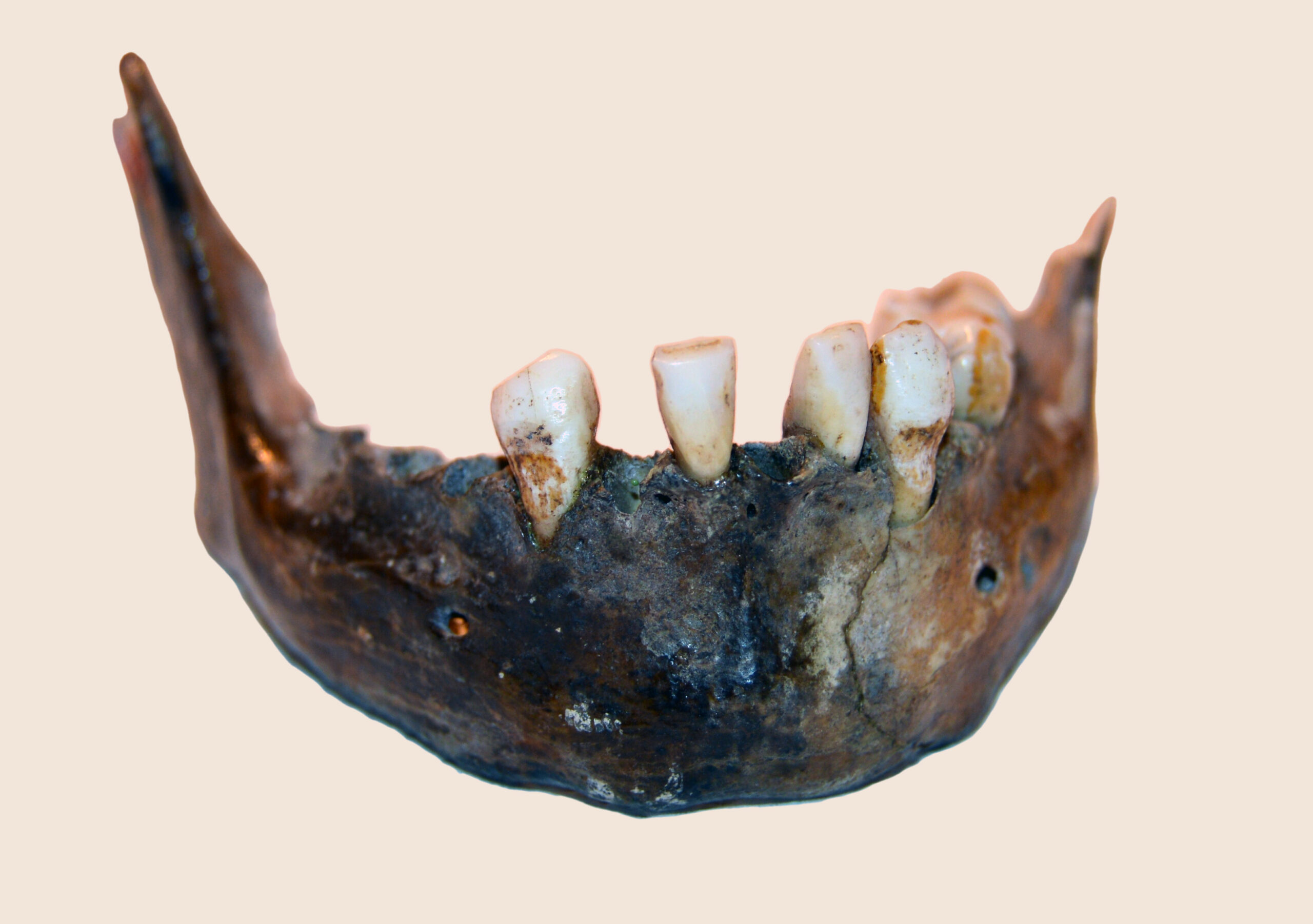
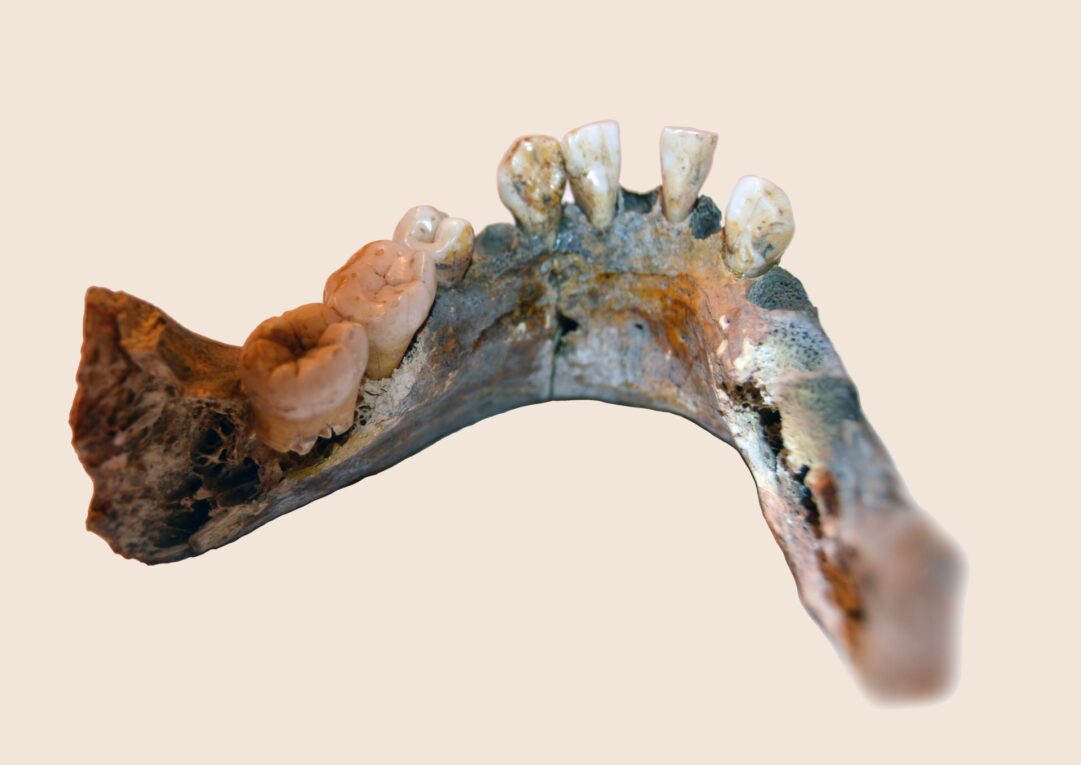
The material is housed at the Bloemfontein Museum, South Africa. Photo: Mattias Jakobsson
“We can now show that Homo sapiens has existed and evolved in southern Africa for a long time. This area has played an important role in human evolution, perhaps the most important of all.”
(Mattias Jakobsson, 2025)
The researchers identified 79 DNA variants that alter gene function and are unique to Homo sapiens. Moreover, all analysed living and prehistoric Homo sapiens carry the same variant. Among these, there were seven genetic variants linked to kidney function. In addition to these variants, the researchers found changes in genes involved in both the immune system and neuron growth, which may affect brain growth and complex cognitive functions. Several genes have been linked to attention – a mental ability that may have evolved differently in Homo sapiens compared with Neanderthals and Denisovans.
“As we obtain more and more high-quality ancient genomes, we are now beginning, for the first time, to gain insights at a genuine population level.”
Carina Schlebusch
Related content
Ten-thousand-year-old genomes from southern Africa change picture of human evolution