-
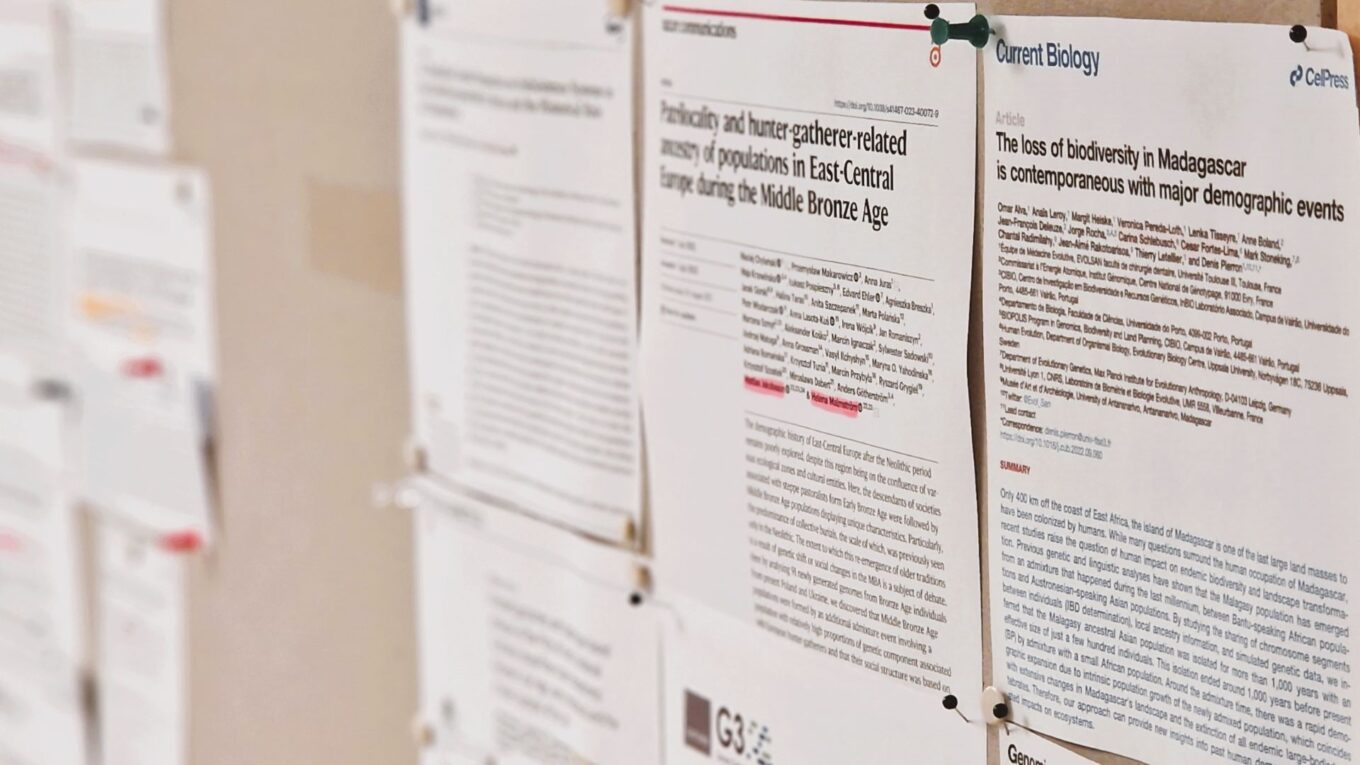
Genetic relatedness mattered in the co-burial ritual of Neolithic hunter–gatherers
Mattila, T. M., Fraser, M., Koelman, J., Krzewińska, M., Ivarsson-Aalders, M., Götherström, A., Jakobsson, M., Storå, J., Günther, T., Wallin, P. & Malmström, H. (2026). Genetic relatedness mattered in the co-burial ritual of Neolithic hunter–gatherers. Proceedings of the Royal Society B: Biological Sciences, 293(2065). DOI: https://doi.org/10.1098/rspb.2025.0813 Abstract Kin relations among past societies can offer valuable information about…
-
Mark Chernyshev was awarded the Marcus Borgström grant for human genetics research
The 140,000 SEK grant will support detailed genetic analysis of ancient southern Africans who lived 10,200 to 1,400 years ago. This research will use computational methods to reconstruct how these populations changed over time, which is of particular interest because ancient southern Africans represent one of humanity’s earliest population splits (approximately 300,000 years ago) and harbour genetic variation not captured by existing datasets. Congratulations, Mark! M…
-
New students
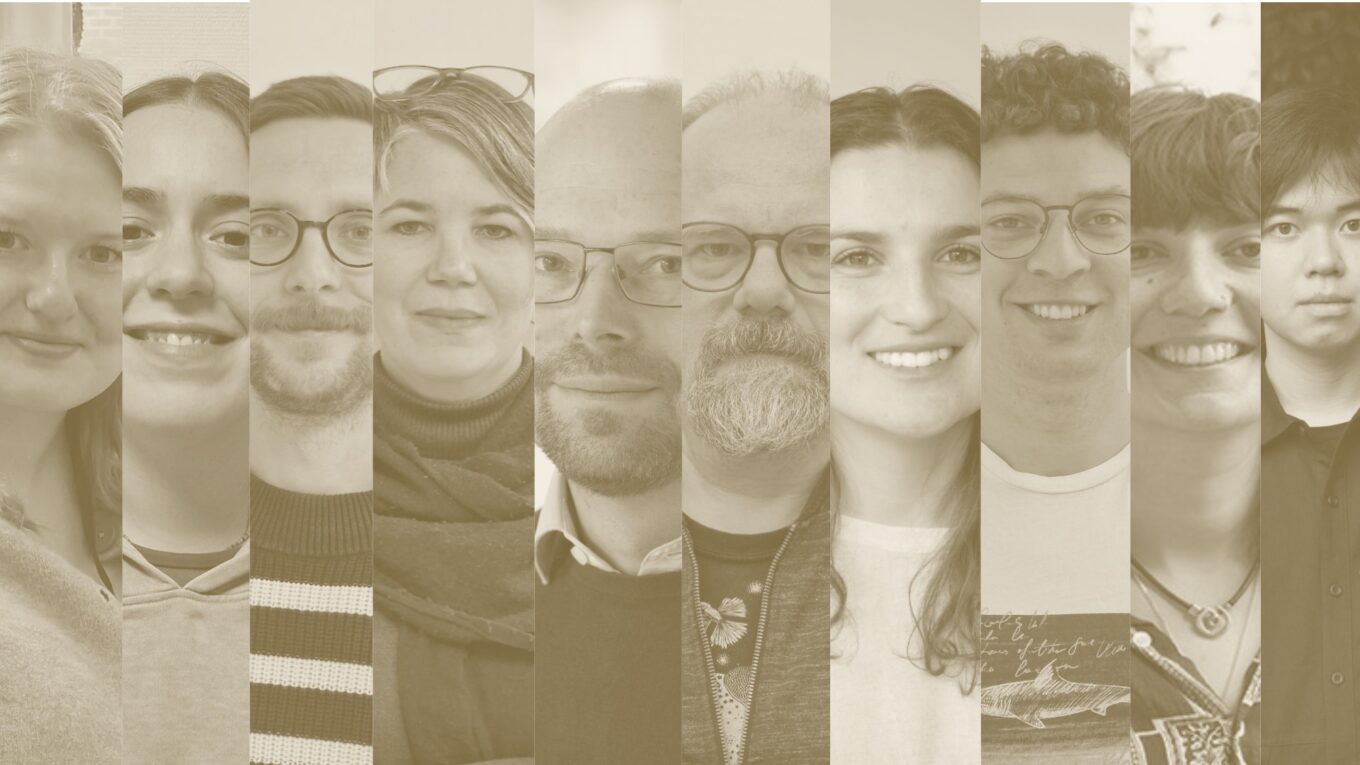
Recently, Larena Lab gained two students who also work with Mariam and others in the Jakobsson Lab. Lisa Brus is a Master’s student. Her thesis work aims to optimise and implement a low-cost, in-house Tn5-based library preparation protocol for Illumina sequencing using samples from Asia-Pacific populations. Maria Laura Genchi is a visiting student, completing an Erasmus…
-
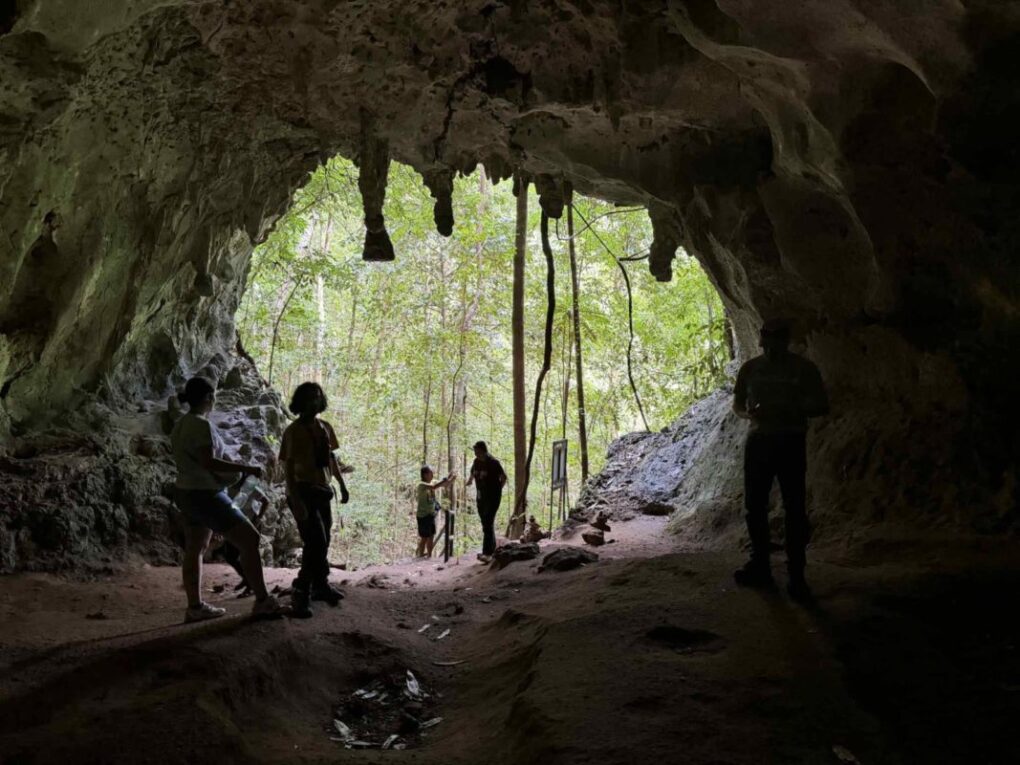
Mariam reports from the Philippines fieldwork, Nov-Dec 2025
Marian Omar Gómez travelled to the Philippines again in continuation of her PhD project. This time, she was joined for shorter periods by Armin Rassooli Tilehnovi (another PhD student at Human Evolution Program, Uppsala University), Max Larena, and Mattias Jakobsson. The three primary objectives were academic outreach, establishing a formal collaboration with the National Museum…
-

Tweap protocol—Lets Tweap again: Economic and SNP retrieval optimisation for target enrichment of ancient DNA
The protocol (closely related to the preprint described below) has been updated and published in April 2026 (Open Access): Saupe, T., Tan, E. J., Gómez, M. O., Bernhardsson, C., & Jakobsson, M. (2026). Tweap protocol for target enrichment via in-solution hybridisation using Twist Bioscience Panels. protocols.io. DOI: https://www.protocols.io/view/tweap-protocol-for-target-enrichment-via-in-soluti-5qpvoknbxl4o/v1 An updated preprint from the Jakobsson Lab:…
-
Luciana Simões receives VR International Postdoc grant
The grant of 4,050,000 SEK will cover three years of Luciana’s research in collaboration with Emilia Huerta-Sanchez at Trinity College Dublin and Tom van der Valk at the Natural History Museum in Stockholm. Congratulations, Luciana! The roles of selection and demography on the fate of human genetic ancestry About 40,000 years ago, Neanderthals disappeared. More…
-

Ancestry, admixture, and pathogens in contemporaneous Neolithic farmers and foragers on the Island of Gotland
New preprint by Magdalena Fraser, Federico Sanches-Quinto and several others from the Human Evolution Program team, and associated researchers is online now. Abstract Two archaeological cultural complexes coexisted on Gotland for over 500 years, between ∼3300 and 2800 calBCE, i.e. the Neolithic Funnelbeaker culture (FBC), and the Pitted ware culture (PWC). The ancestry of the…
-
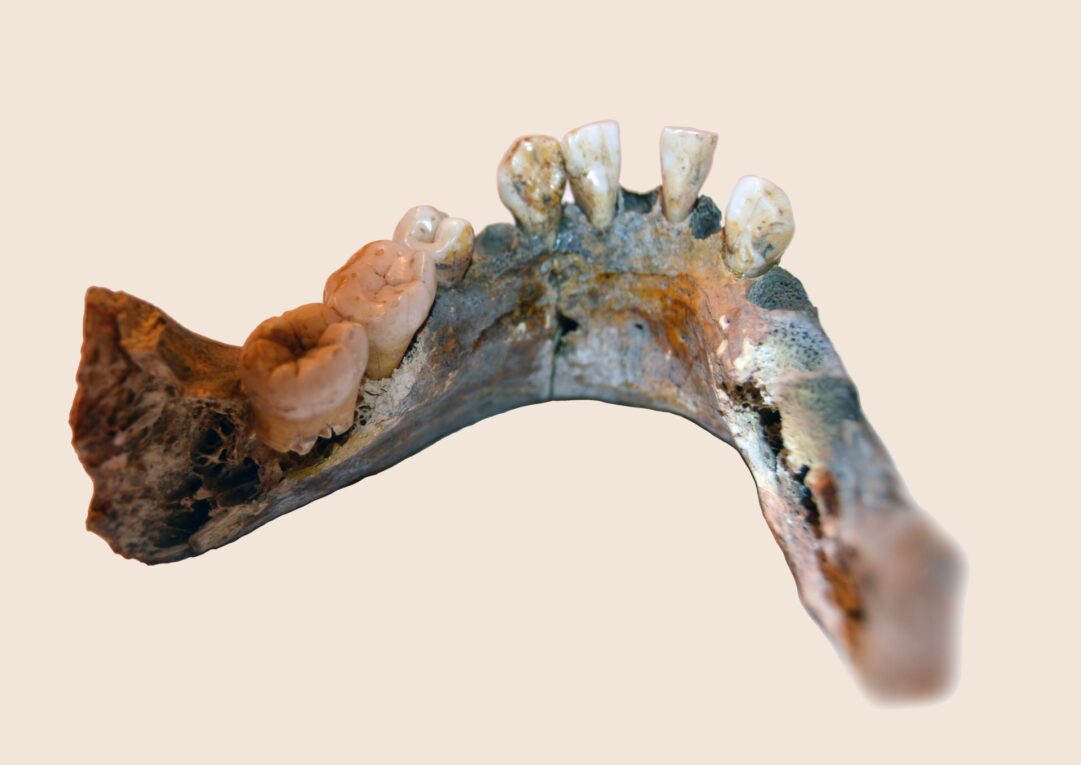
Homo sapiens-specific evolution unveiled by ancient southern African genomes, published in Nature
In southern Africa, a group of people lived in partial isolation for hundreds of thousands of years. This is shown in a new study based on analyses of the genomes of 28 people who lived between 10,200 and 150 years ago in southern Africa. The researchers also found genetic adaptations that likely shaped Homo sapiens…
-

A decade with the ancient Southern Africans
The Jakobsson Lab team, in various constellations of researchers and with varying levels of engagement, has been working on genetic material first investigated more than a decade ago. Now, the first fruits of the work are collected. The major publication from this project is out now. Behind the scene impressions.
-

Ideas that change the world.
Human Evolution was the focus of the latest episode (Season 6, Ep. 112) in the Nobel Prize Museum’s podcast series, Ideas that change the world, with Mattias Jakobsson. We all carry the entire history of humanity in our genes. When researchers examine the DNA of people living today and compare it with the genetic material…