
-
New master student in the group
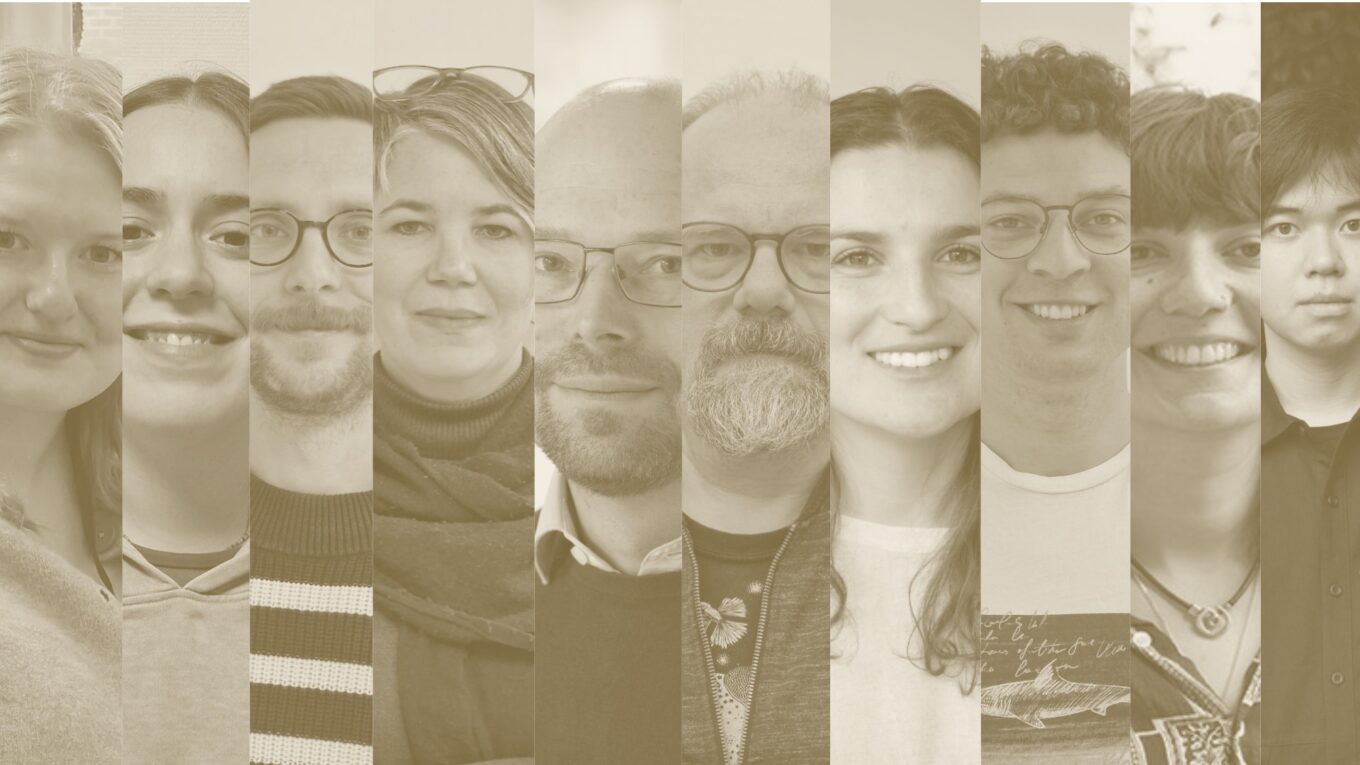
Anna Louise Olsson has joined the group to work on her master’s degree project, Genomic History of Northwestern Africa since the Iron Age, under the mentorship of Luciana Simões. Welcome to the team, Loiuse! Project summary North Africa has long been a crucial crossroads, connecting sub-Saharan Africa, the Mediterranean, and the Near East, facilitating cultural…
-
Mark Chernyshev is the new postdoctoral researcher in the Jakobsson Lab
We are happy to announce that Mark Chernyshev has recently joined the team as a bioinformatician researcher in population genetics. He studies ancient and modern population demography using whole-genome sequencing datasets and develops tools using Markov models. Mark has earned his PhD from Karolinska Institutet in Stockholm for his work on Computational approaches to study…
-
Post-fieldwork in Philippines – impressions
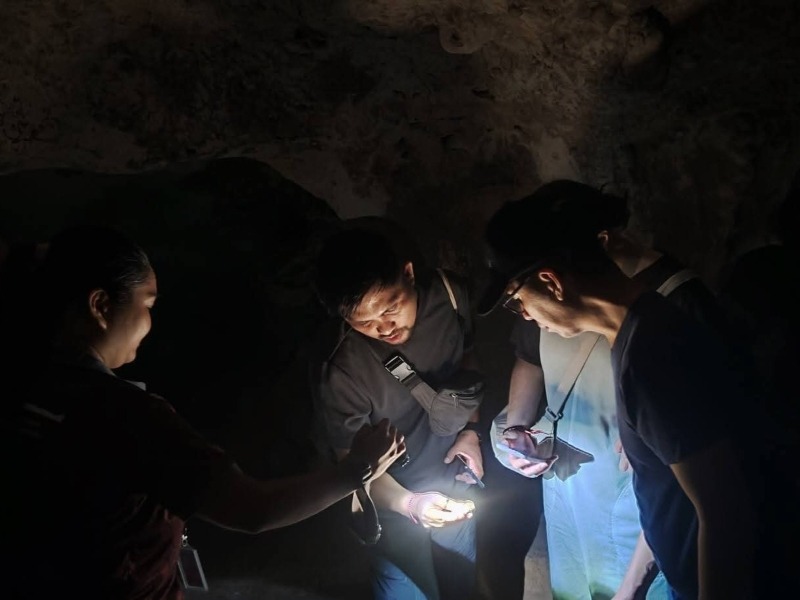
Max Larena and Mariam Omar Gómez visited the Philippines this summer. Mariam was travelling around, meeting collaborators, collecting DNA data and immersing in the languages and cultures of the region she focuses on in her PhD work.
-
It’s not really a goodbye, Tina!
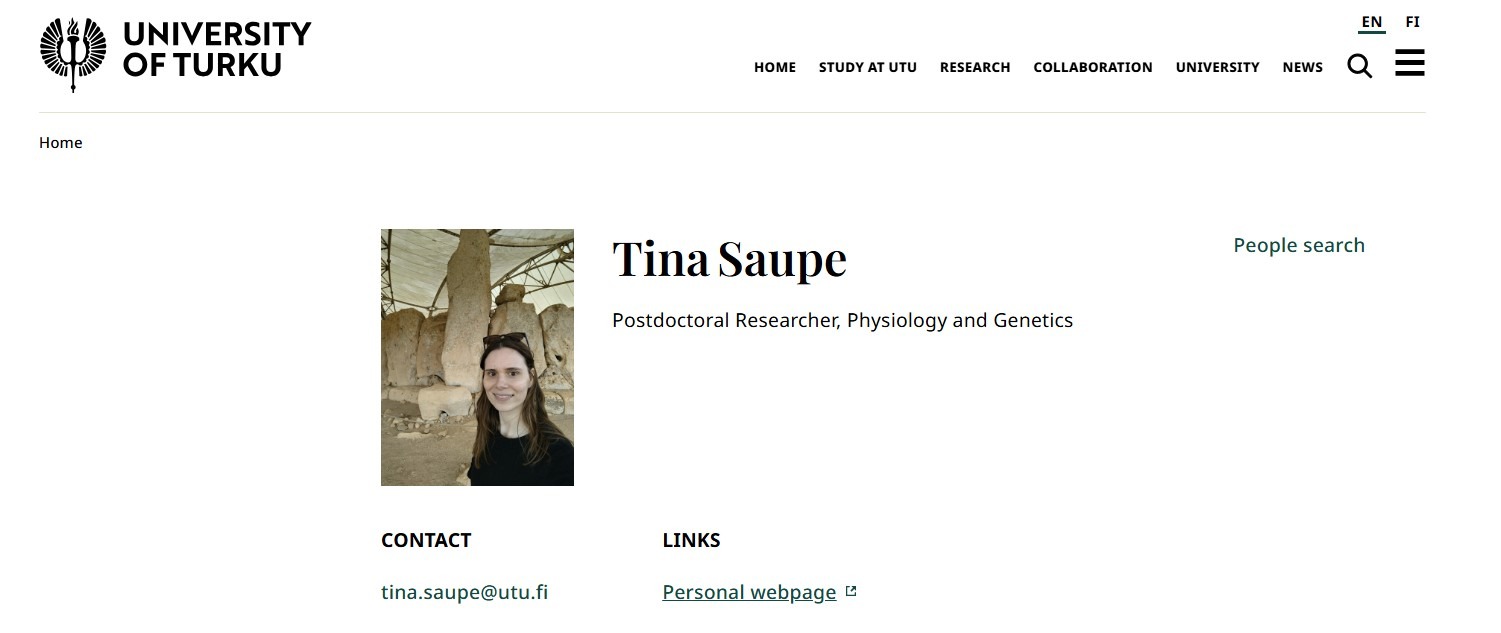
Tina Saupe, a postdoctoral fellow at the Human Evolution Program and the Jakobsson Lab since March 2023, leaves our group this summer. Tina received the postdoctoral fellowship from Wenner-Gren Foundations in Sweden to study mobility in the Levant during the Bronze Age period (Bronze Age Rake project, 2023-25). She has also worked on the ERC-funded…
-

He traces the genetic history of modern humans
The Knut & Alice Wallenberg Foundation has just published an update on the research by Mattias Jakobsson, one of the KAW scholars. Mattias Jakobsson’s focus in his new Wallenberg Scholar project is to track the development that occurred between 300,000 and 600,000 years ago, following the genetic line that leads to modern humans. The material…
-
HEPpers Outing 2025
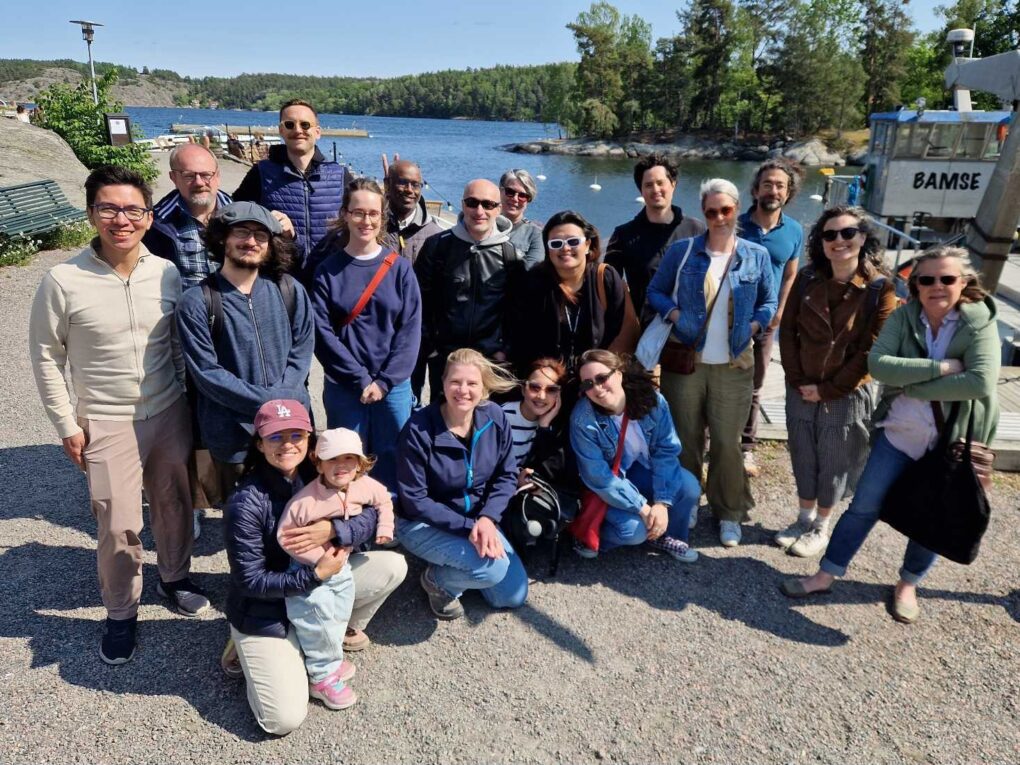
This year, the Human Evolution Program (HEP) group visited Stora Fjäderholmen during our annual outing. The highlight was playing Boule (also known as Petanque). After several rounds and point counting, we know who can hit the bull’s eye! We were lucky with the weather, too!
-
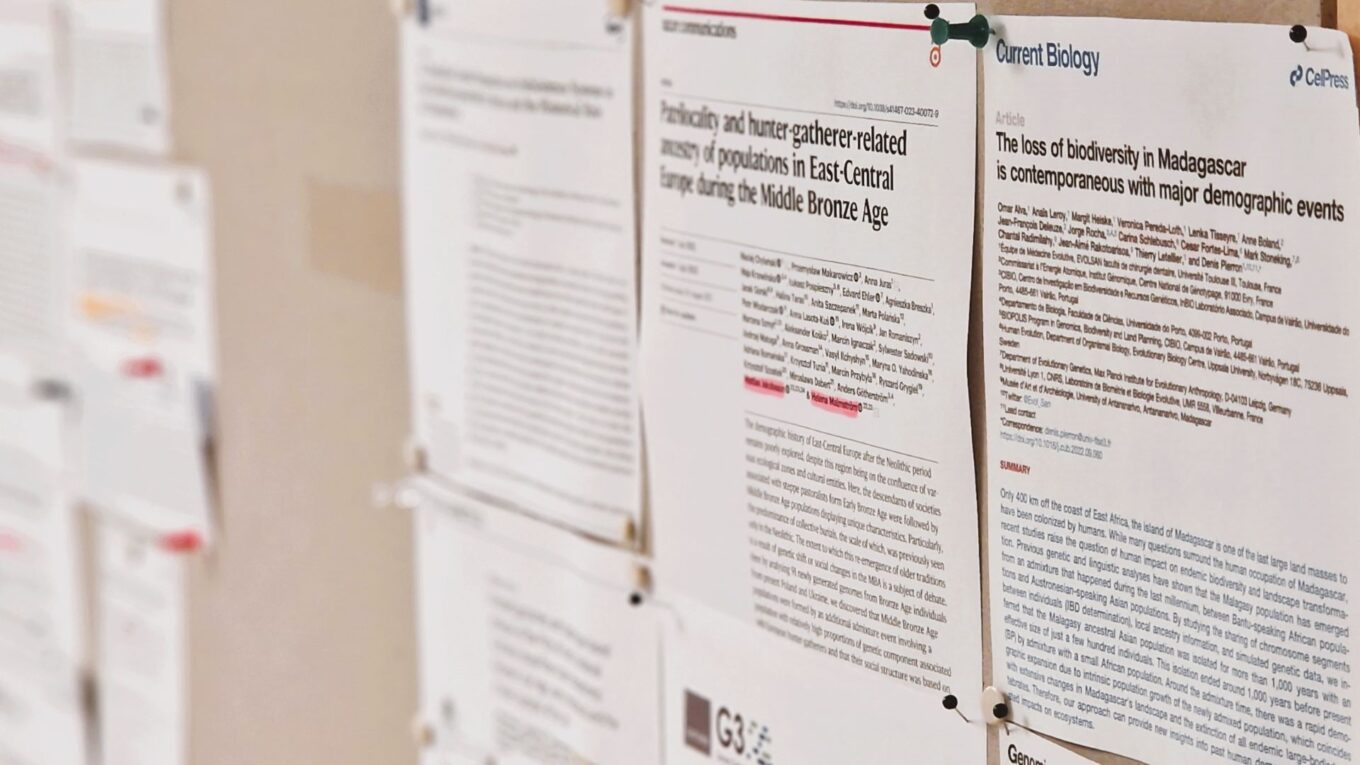
HLA diversity and signatures of selection in the Maniq, a nomadic hunter-gatherer population in Southern Thailand
A new article co-authored by Mattias Jakobsson and Max Larena has been published in Immunogenetics. Schaschl, H., Herzog, T., Oberreiter, V. et al. HLA diversity and signatures of selection in the Maniq, a nomadic hunter-gatherer population in Southern Thailand. Immunogenetics 77, 23 (2025). https://doi.org/10.1007/s00251-025-01380-0 Abstract The Maniq, a small and isolated nomadic hunter-gatherer population from the rainforests of Southern…
-

UppTalk podcast with Mattias
Mattias Jakobsson was a guest on the podcast series UppTalk, organised by the Science and Technology Domain at Uppsala University. The conversation, under a title: Vad kan forntida DNA avslöja om människans evolution? (What can ancient DNA reveal about human evolution?) will be available to watch on YouTube (more recorded UppTalks can be accessed at…
-
Making Ancestors: The Politics of Death in Prehistoric Europe
The ERC-funded Ancestor Project (2020-25) was set to test alternative models of prehistoric inequality and pathways. It studies social relations in life using autobiography and explores pathways using funerary taphonomy. Tina Saupe, a post-doctoral research fellow at the Jakobsson Lab is one of the project participants. Her research focuses on the correlation between shifts in…
-
Nobel Symposium 2025 “Palaeogenomics: charting the future of ancient DNA”
WHERE: Villa Aske (Bro) & StockholmWHEN: 26-30 May 2025 Organizers: Centre for Palaeogenetics, SciLifeLab Ancient DNA unit, Uppsala University Human Evolution research program In this symposium we are bring together leading experts in the field of palaeogenomics (15 invited speakers) and early career researchers (ECRs) from Sweden (Stockholm and Uppsala) to engage in discussions and share insights…