
Tag: ancient DNA
-
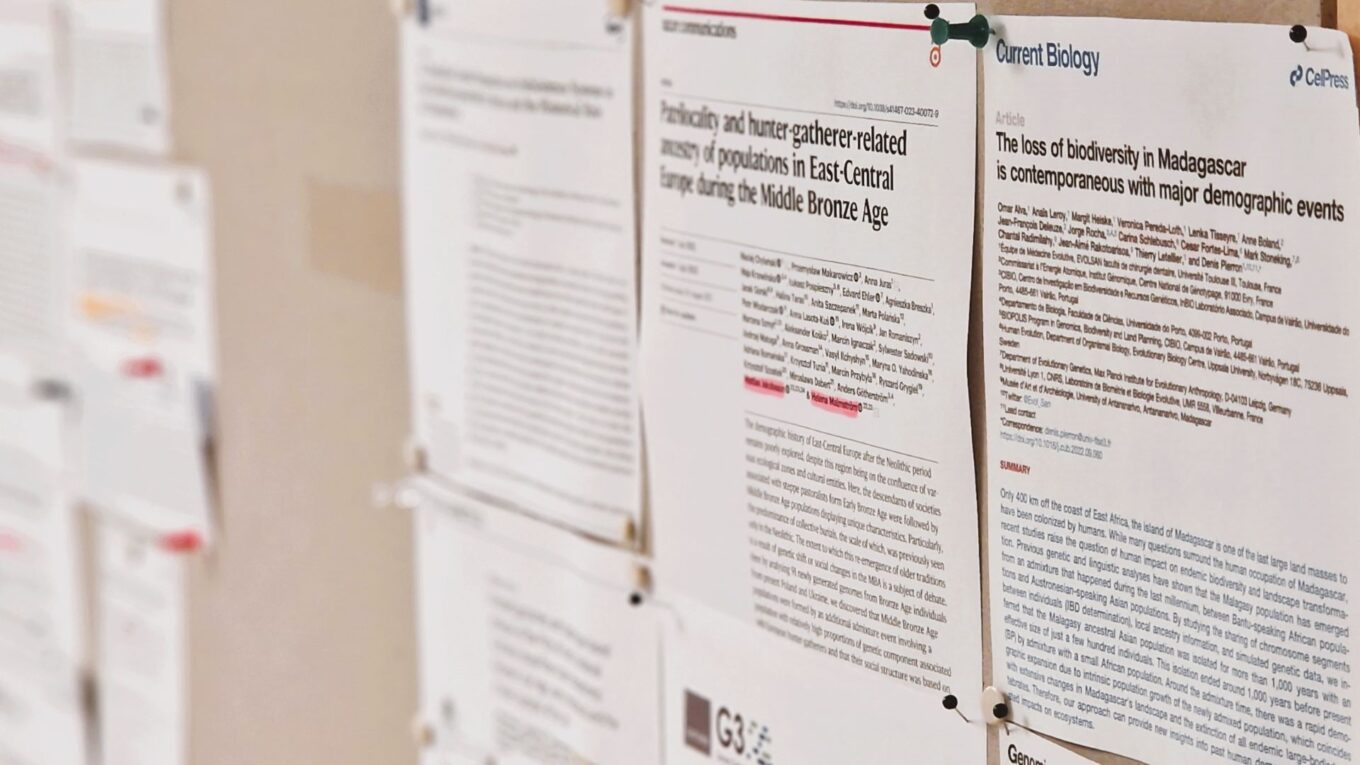
Investigating kinship of Neolithic post-LBK human remains from Krusza Zamkowa, Poland using ancient DNA
A new publication in Forensic Science International Genetics involving lab members investigates the kinship among Neolithic humans in a Polish burial site.
-

1,000 genomes project supported by the Knut and Alice Wallenberg Foundation
Mattias Jakobsson together with Jan Storå and Anders Götherström from the Stockholm University were awarded a prestigious grant from the Knut and Alice Wallenberg Foundation to study 1,000 ancient genomes. The aim is to create a catalog of the genetic variation of people living in Europe and Asia between 1,000 and 50,000 years ago. Skeletal…
-
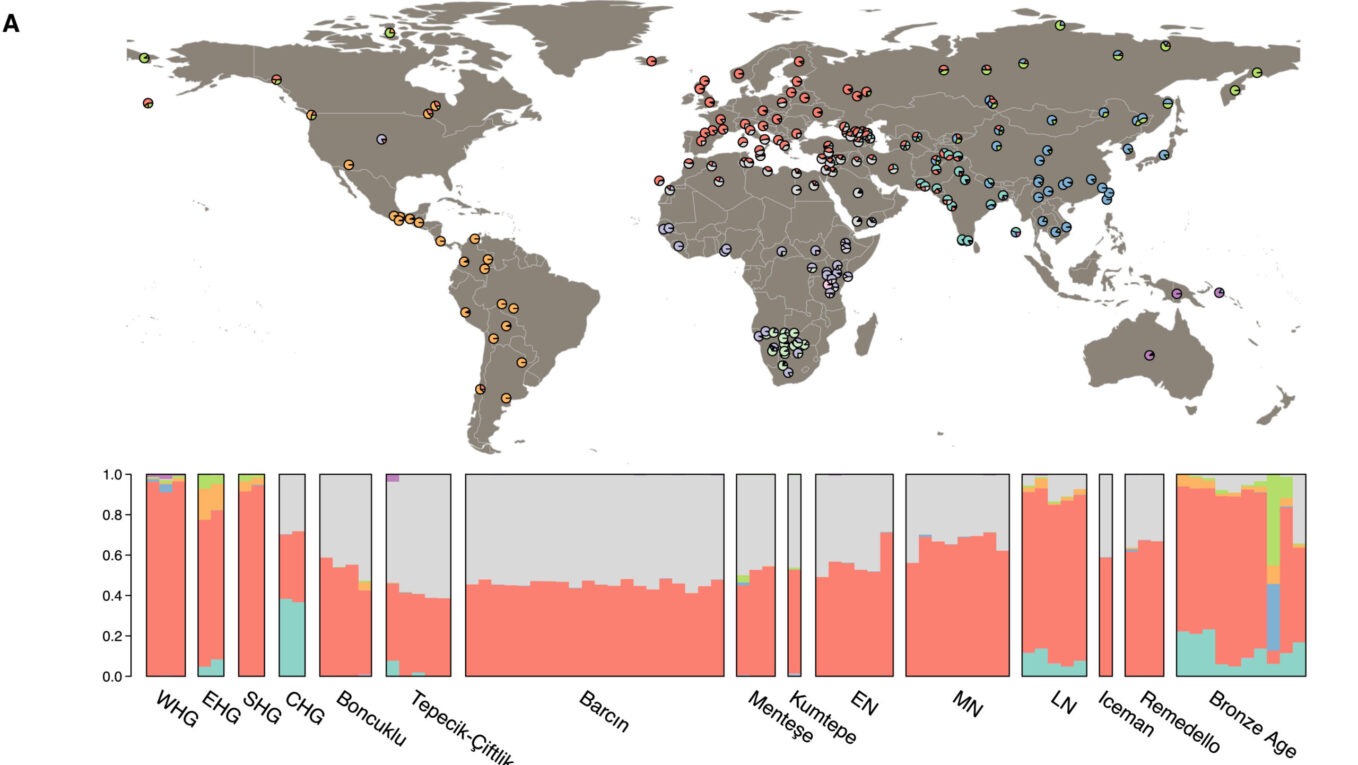
Early farmers of Anatolia
A new publication (Kilinç et al. 2016. The Demographic Development of the First Farmers in Anatolia) sheds light into the demographic history of early farmers in Anatolia. The paper appeared in Current Biology.
-
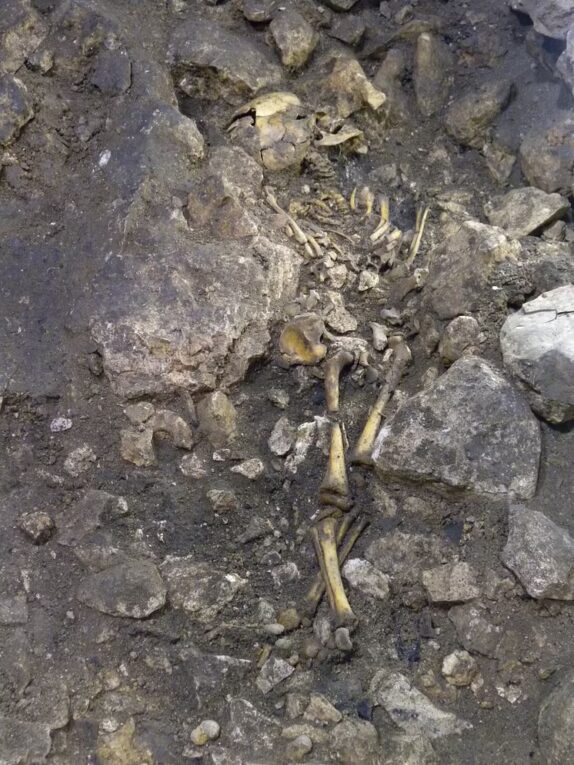
Ancient genomes link early farmers from Atapuerca in Spain to modern-day Basques
The research described in the article by Günther et al. (2015) in PNAS reveals that early Iberian farmers are the closest ancestors to modern-day Basques, in contrast to previous hypotheses. Significance The transition from a foraging subsistence strategy to a sedentary farming society is arguably the greatest innovation in human history. Some modern-day groups—specifically the…
-

Separating ancient DNA from modern day contamination
Our paper “Separating endogenous ancient DNA from modern day contamination in a Siberian Neandertal” by Skoglund et al. (2014) was published in the early edition of PNAS. Significance Strict laboratory precautions against present day human DNA contamination are standard in ancient DNA studies, but contamination is already present inside many ancient human fossils from previous…
-
Sex identification of ancient remains
July 17, 2013. Our paper by Skoglund et al. (2013) on “Accurate sex identification of ancient human remains using DNA shotgun sequencing” was published by the Journal of Archaeological Science and highlighted by Nature. Highlights Abstract Accurate identification of the biological sex of ancient remains is vital for critically testing hypotheses about social structure in…