
Category: News
-
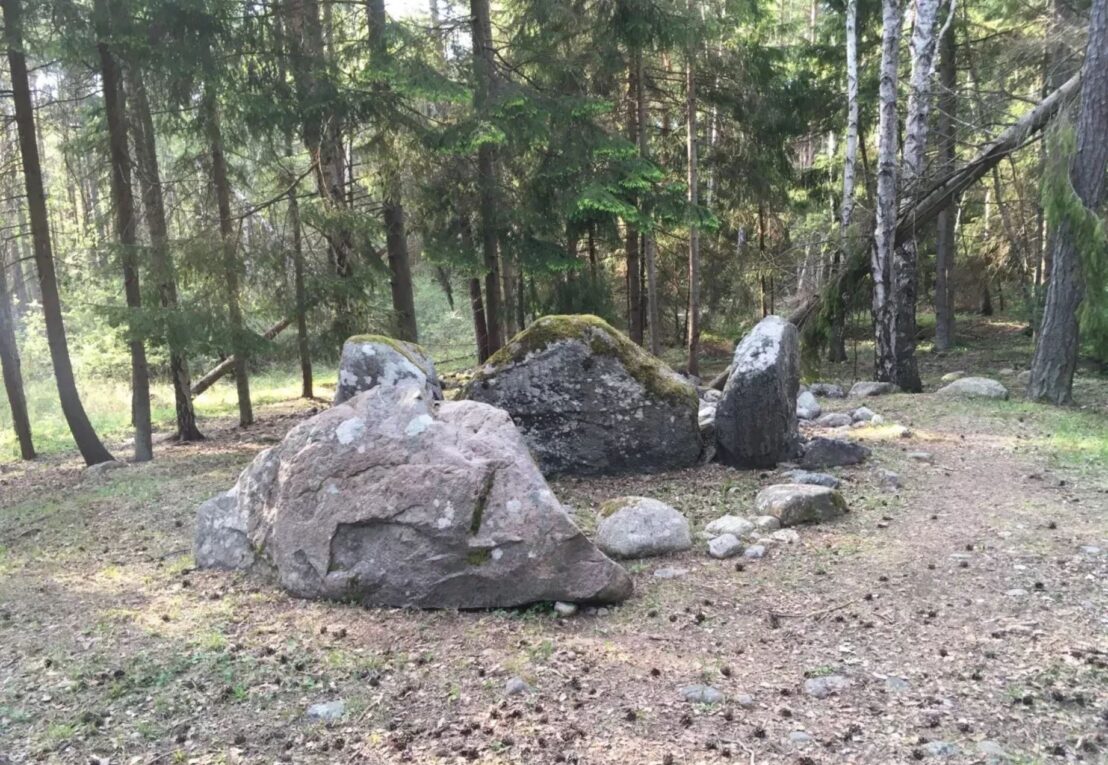
Megalithic tombs in western and northern Neolithic Europe were linked to a kindred society
A new phenomenon of constructing distinctive funerary monuments, collectively known as megalithic tombs, emerged around 4500 BCE along the Atlantic façade. The megalithic phenomenon has attracted interest and speculation since medieval times. In particular, the origin, dispersal dynamics, and the role of these constructions within the societies that built them have been debated. We generate…
-
Long-term dietary change in Atlantic and Mediterranean Iberia with the introduction of agriculture: a stable isotope perspective
Rita was part of a study investigating the dietary changes associated with the introduction of agriculture into the Iberian peninsula. The authors found that a Neolithic diet was less diverse than a Mesolithic one as evidence by isotope analyses of human fossils. The paper can be found here and on the Archaeological and Anthropological Sciences journal’s webpage.…
-

Tales of Human Migration, Admixture, and Selection in Africa
A review article by Carina and Mattias was published in the Annual Reviews, Annual Review of Genomics and Human Genetics, vol. 19, 2018. Abstract In the last three decades, genetic studies have played an increasingly important role in exploring human history. They have helped to conclusively establish that anatomically modern humans first appeared in Africa…
-
Investigating Holocene human population history in North Asia using ancient mitogenomes
Members of the group were involved in a study published in the Scientific Reports. Analyses of complete mitochondrial genomes of 41 ancient humans from North Asia revealed long-term genetic continuity in the region. We further detected signatures of gene flow or population structure, altogether highlighting the complexity of human demographic history. Abstract Archaeogenomic studies have largely…
-
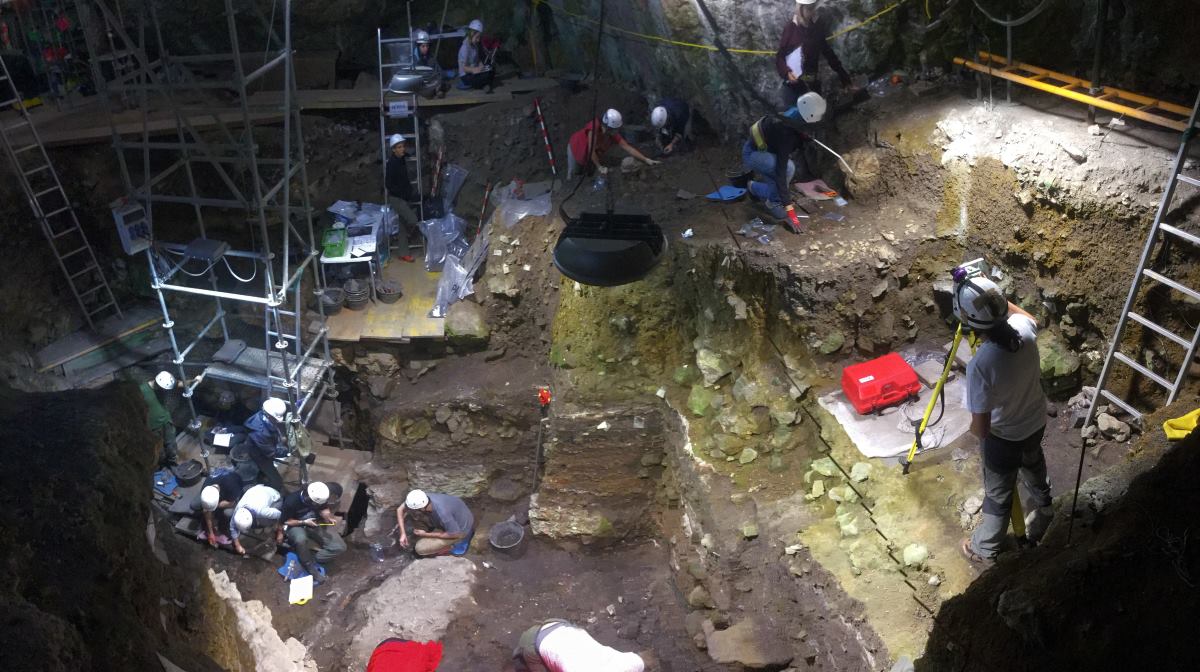
Four millennia of Iberian biomolecular prehistory illustrate the impact of prehistoric migrations at the far end of Eurasia
The team was involved in a multidisciplinary study highlighting the temporal genetic changes caused by prehistoric migrations into Iberia. The analyses of ancient human remains shed light into the origin of farming life-style in the far west of Eurasia. The study is published in PNAS. Significance The gene pool of modern Europeans was shaped through prehistoric…
-
Schlebusch Lab is born!
The Human Evolution Program is growing. Carina has now established her own research group here at Uppsala University but we will keep working together in the Human Evolution Program. The Schlebusch Lab will focus primarily on the history of humans in Africa. Congratulations!