
Category: Research
-
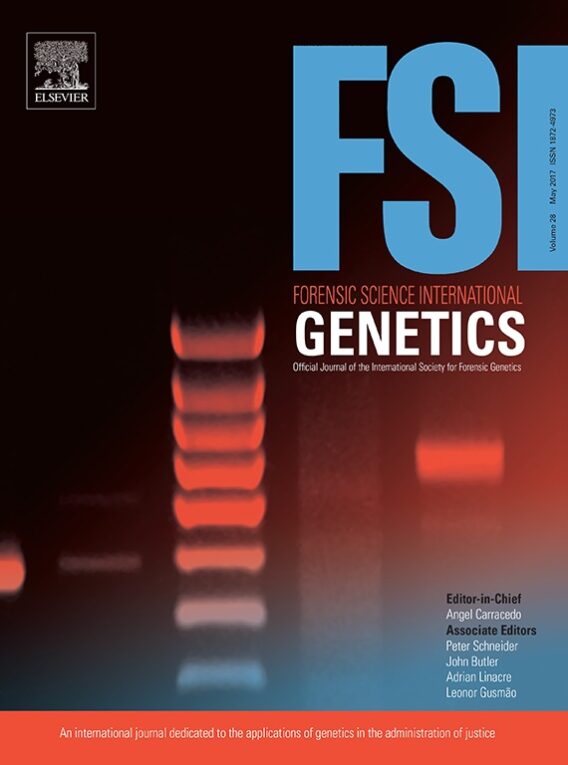
Investigating kinship in Neolithic
A new publication in Forensic Science International Genetics involving lab members investigates the kinship among Neolithic humans in a Polish burial site. Juras et al. 2016. Investigating kinship of Neolithic post-LBK human remains from Krusza Zamkowa, Poland using ancient DNA. FSI Genetics, vol. 26. DOI: 10.1016/j.fsigen.2016.10.008 Highlights
-

Prehistoric Europe from a population genomic perspective
In a new publication in Current Opinion in Genetics and Development Torsten Günther and Mattias Jakobsson review the manifestation of demographic events in the genomes of prehistoric Europeans. Günther and Jakobsson. 2016. Genes mirror migrations and cultures in prehistoric Europe — a population genomic perspective. Science Direct, vol. 41. https://doi.org/10.1016/j.gde.2016.09.004 Genomic information from ancient human remains is beginning to show…
-
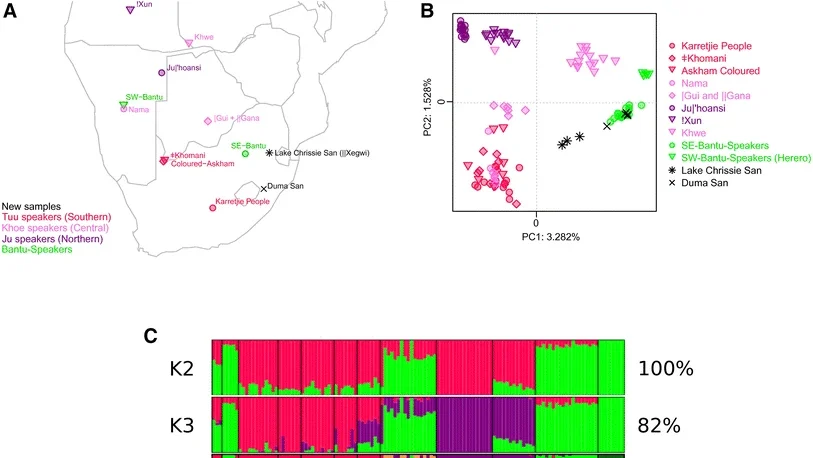
The disappearing San of southeastern Africa
Carina Schlebusch and others investigated the faith of San populations in a new publication in Human Genetics (Schlebusch, C.M., Prins, F., Lombard, M. et al. The disappearing San of southeastern Africa and their genetic affinities. Hum Genet 135, 1365–1373 (2016). https://doi.org/10.1007/s00439-016-1729-8. Abstract Southern Africa was likely exclusively inhabited by San hunter-gatherers before ~2000 years ago. Around that time, East African groups assimilated…
-
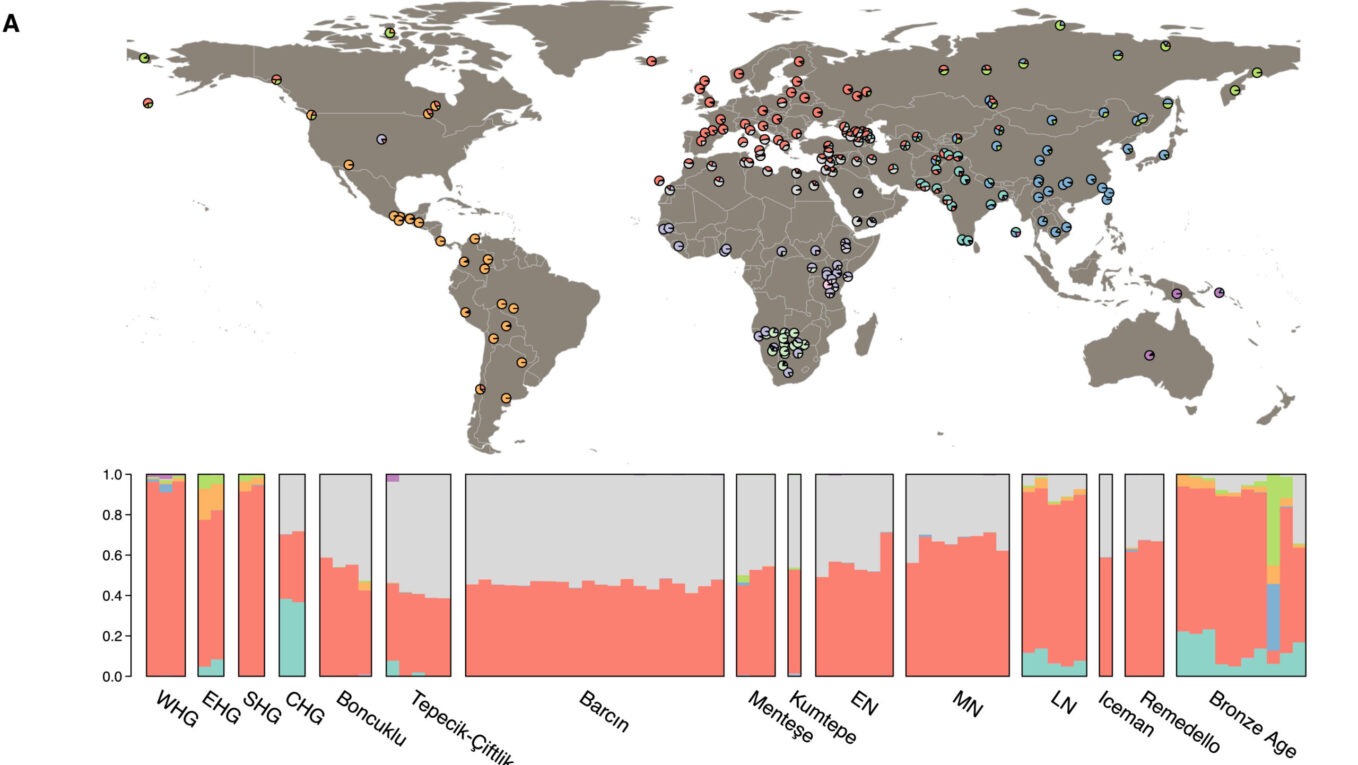
Early farmers of Anatolia
A new publication (Kilinç et al. 2016. The Demographic Development of the First Farmers in Anatolia) sheds light into the demographic history of early farmers in Anatolia. The paper appeared in Current Biology.
-

New approach to tracking population changes
A new publication by Lucie Gattepaille, Torsten Günther and Mattias Jakobsson describes a new approach to investigate population size changes in the past. Gattepaille et al. 2016. Inferring Past Effective Population Size from Distributions of Coalescent Times. Genetics, Volume 204, Issue 3. https://doi.org/10.1534/genetics.115.185058 Abstract Inferring and understanding changes in effective population size over time is…
-
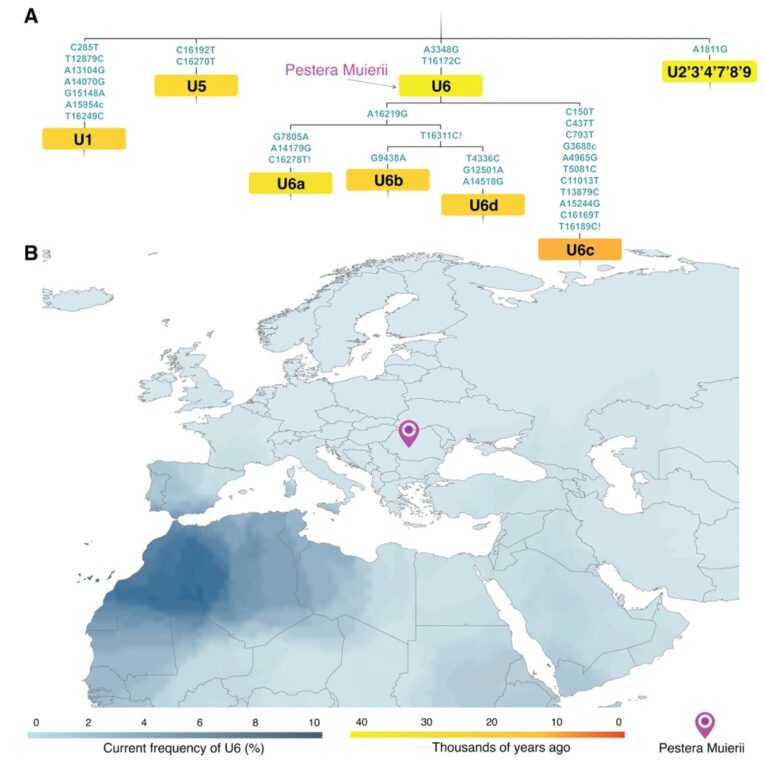
Palaeolithic back-migration to Africa
A new article from the Jakobsson Lab members appeared in Scientific Reports. Hervella, M., Svensson, E., Alberdi, A. et al. The mitogenome of a 35,000-year-old Homo sapiens from Europe supports a Palaeolithic back-migration to Africa. Sci Rep 6, 25501 (2016). https://doi.org/10.1038/srep25501 Abstract After the dispersal of modern humans (Homo sapiens) Out of Africa, hominins with a similar morphology to that of present-day…