
Tag: genomics
-

1,000 genomes project supported by the Knut and Alice Wallenberg Foundation
Mattias Jakobsson together with Jan Storå and Anders Götherström from the Stockholm University were awarded a prestigious grant from the Knut and Alice Wallenberg Foundation to study 1,000 ancient genomes. The aim is to create a catalog of the genetic variation of people living in Europe and Asia between 1,000 and 50,000 years ago. Skeletal…
-
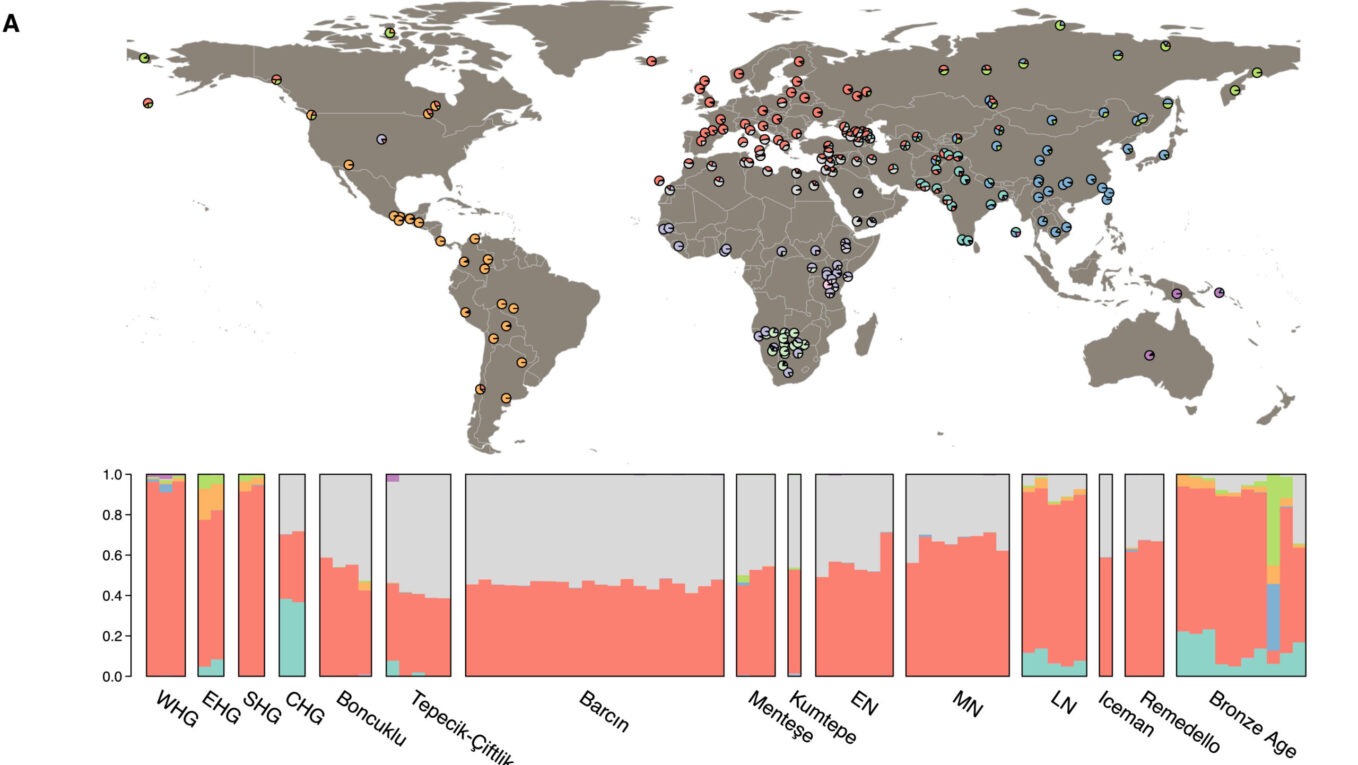
Early farmers of Anatolia
A new publication (Kilinç et al. 2016. The Demographic Development of the First Farmers in Anatolia) sheds light into the demographic history of early farmers in Anatolia. The paper appeared in Current Biology.
-
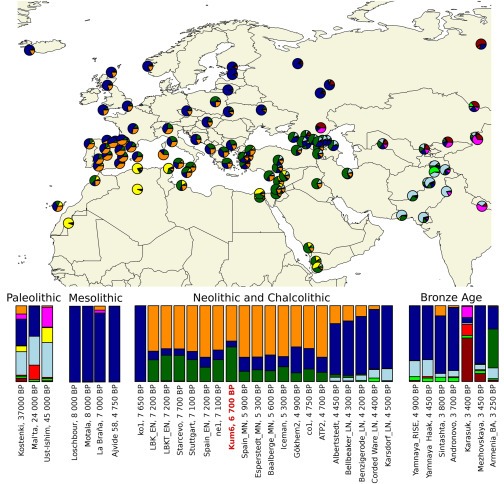
Anatolia as the source of the European Neolithic gene pool
A new article from the lab appeared in Current Biology. Omrak et al. 2016. Genomic Evidence Establishes Anatolia as the Source of the European Neolithic Gene Pool. Report. Current Biology. https://doi.org/10.1016/j.cub.2015.12.019 Highlights
-
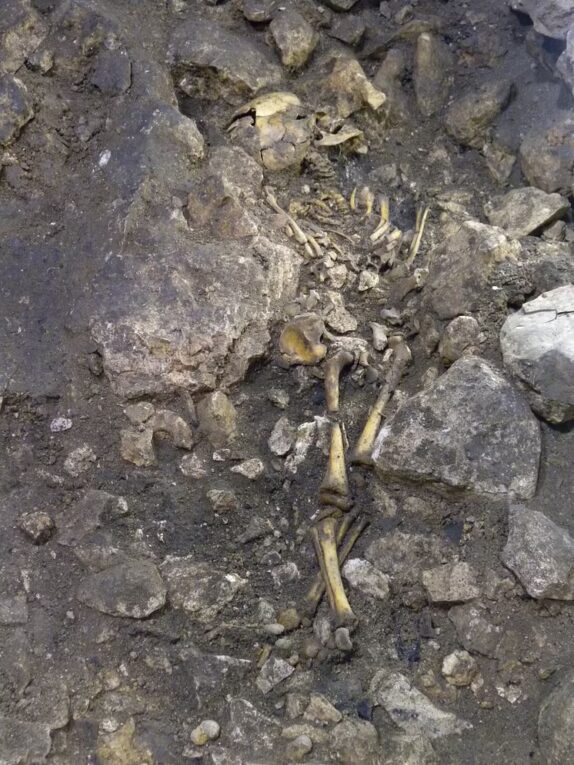
Ancient genomes link early farmers from Atapuerca in Spain to modern-day Basques
The research described in the article by Günther et al. (2015) in PNAS reveals that early Iberian farmers are the closest ancestors to modern-day Basques, in contrast to previous hypotheses. Significance The transition from a foraging subsistence strategy to a sedentary farming society is arguably the greatest innovation in human history. Some modern-day groups—specifically the…
-
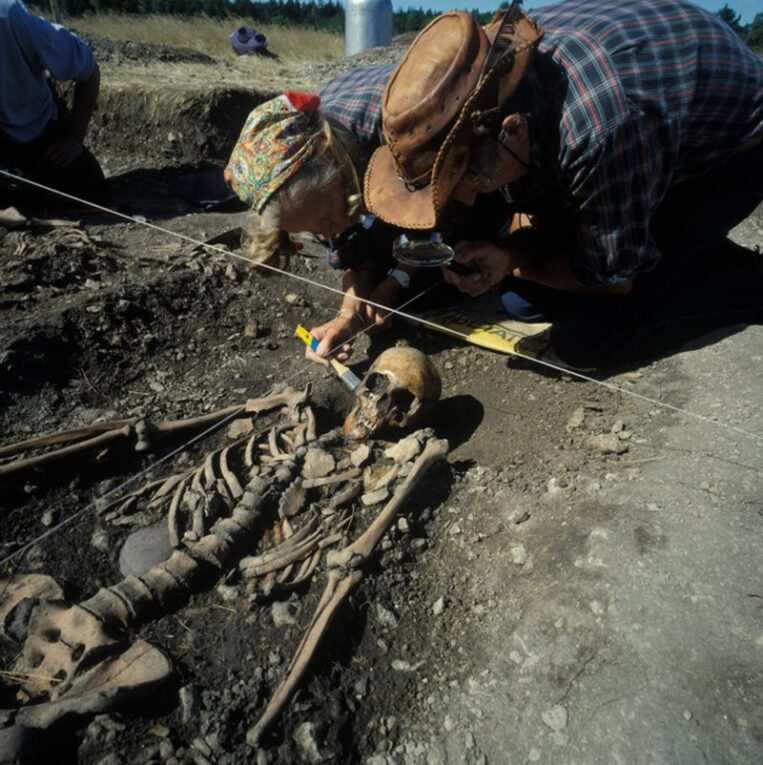
Genomic Diversity and Admixture Differs for Stone-Age Scandinavian Foragers and Farmers
An international team led by researchers at Uppsala University and Stockholm University reports a breakthrough in understanding the demographic history of Stone-Age humans. The findings are published in Science, Skoglund et al. (2014). Abstract Prehistoric population structure associated with the transition to an agricultural lifestyle in Europe remains a contentious idea. Population-genomic data from 11…
-

Dual ancestry of Native Americans
Our collaborative paper “Upper Palaeolithic Siberian genome reveals dual ancestry of Native Americans” was published online by Nature. Pontus Skoglund is the second co-author. Abstract The origins of the First Americans remain contentious. Although Native Americans seem to be genetically most closely related to east Asians1,2,3, there is no consensus with regard to which specific…