
Category: Publications
-
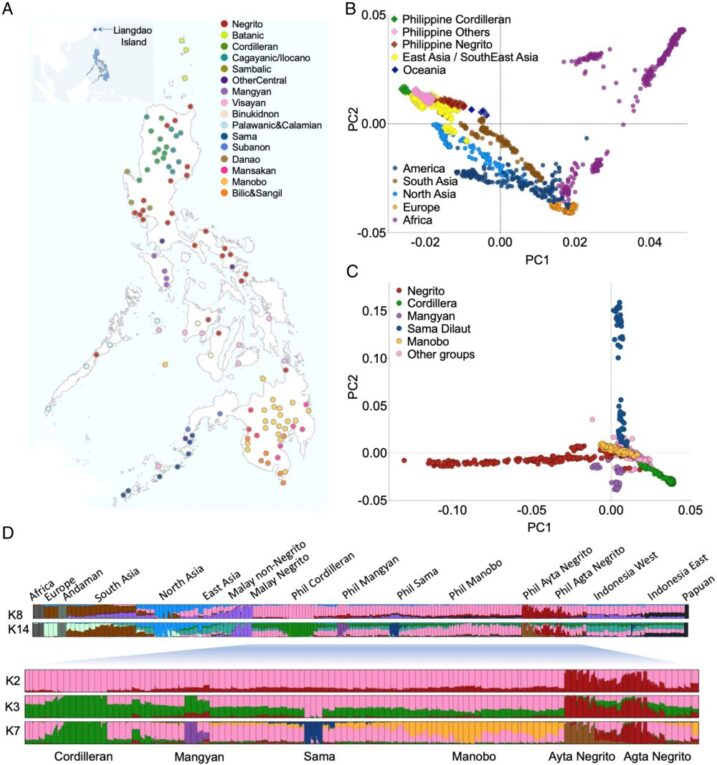
Multiple migrations to the Philippines during the last 50,000 years
An article in PNAS described as the largest and most comprehensive DNA-mapping study of the Philippines, by Larena et al. (2021) offers insights to understand human history in Island Southeast Asia. Significance A key link to understanding human history in Island Southeast Asia is the Philippine archipelago and its poorly investigated genetic diversity. We analyzed…
-
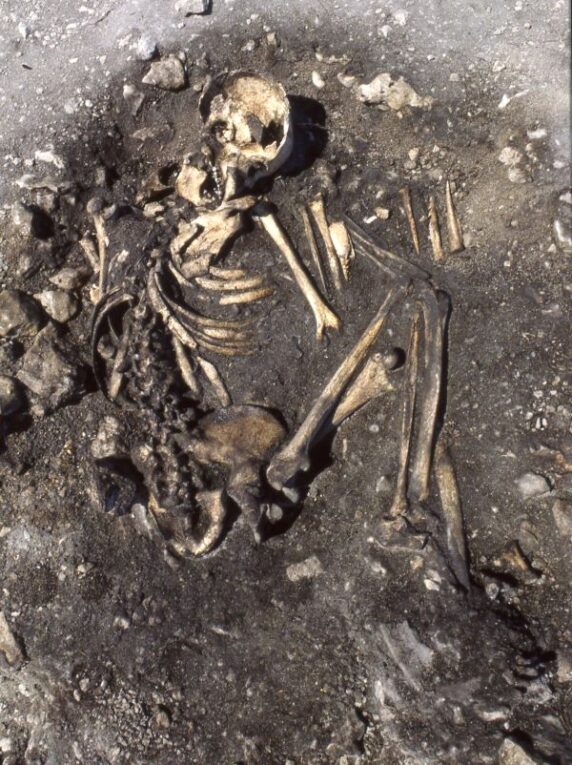
The Neolithic Pitted Ware culture foragers were culturally but not genetically influenced by the Battle Axe culture herders
A study by Coutinho et al. (2020) combines archaeological and genetic information to understand better Battle Axe cultural influences discovered in graves of the Pitted Ware culture. The genomic data show that all individuals belonged to one genetic population—a population associated with the Pitted Ware culture—irrespective of the burial style. The authors conclude that the…
-
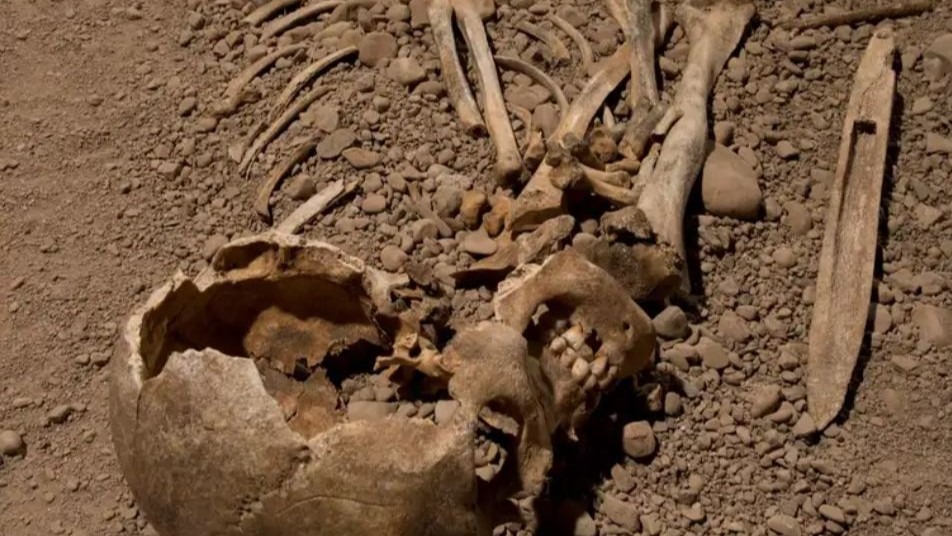
The genomic ancestry of the Scandinavian Battle Axe Culture people and their relation to the broader Corded Ware horizon
Our study on the Battle Axe Culture by Helena Malmström with others (2019) is published in the Proceedings of the Royal Society B. The study caught the attention of media outlets (“Mysterious ‘Battle Axe Culture’ reveals its secrets thanks to DNA discovery“, by James Rogers, Fox News) Abstract The Neolithic period is characterized by major…
-

Health change with the transition from hunter-gatherers to farmers
Mattias Jakobsson gave a short interview (video on Meta account Evolutionen och du – in Swedish) about the health consequences associated with the transition from hunter-gatherers to farmers.
-
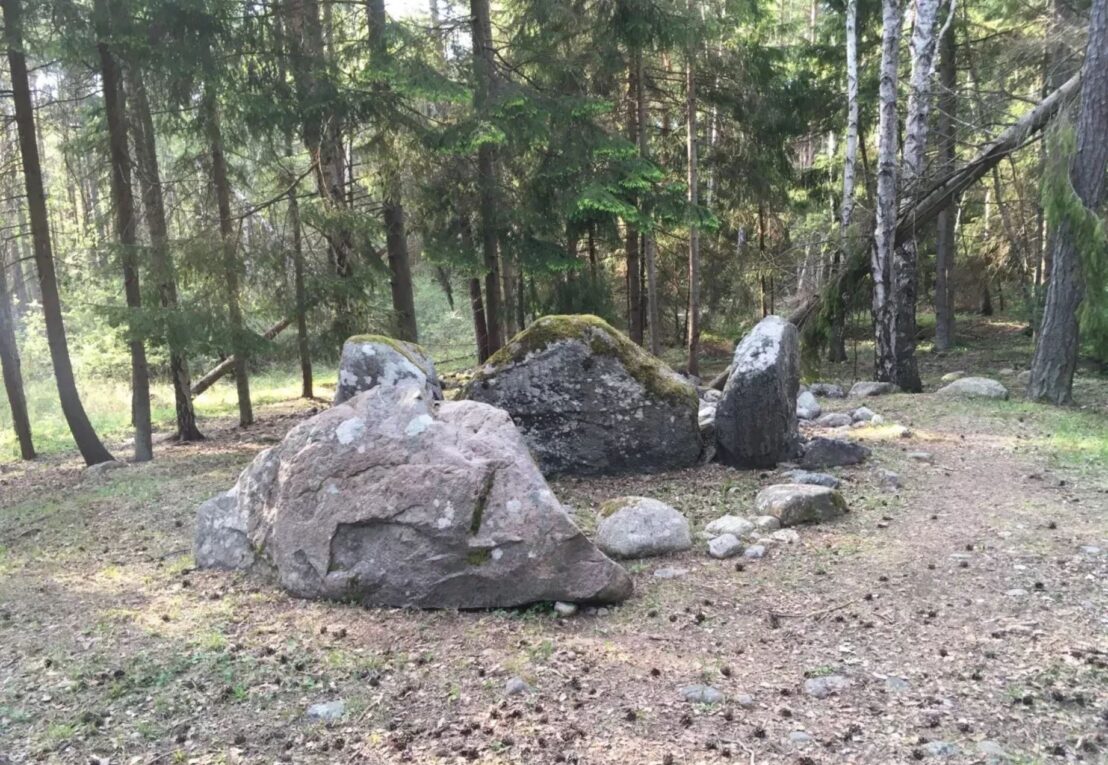
Megalithic tombs in western and northern Neolithic Europe were linked to a kindred society
A new phenomenon of constructing distinctive funerary monuments, collectively known as megalithic tombs, emerged around 4500 BCE along the Atlantic façade. The megalithic phenomenon has attracted interest and speculation since medieval times. In particular, the origin, dispersal dynamics, and the role of these constructions within the societies that built them have been debated. We generate…
-
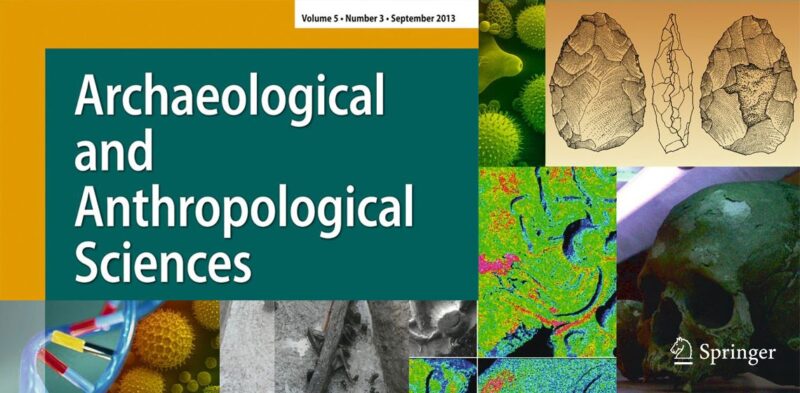
Long-term dietary change in Atlantic and Mediterranean Iberia with the introduction of agriculture: a stable isotope perspective
Rita was part of a study investigating the dietary changes associated with the introduction of agriculture into the Iberian peninsula. The authors found that a Neolithic diet was less diverse than a Mesolithic one as evidence by isotope analyses of human fossils. The paper can be found here and on the Archaeological and Anthropological Sciences journal’s webpage.…