
Tag: human past
-

New approach to tracking population changes
A new publication by Lucie Gattepaille, Torsten Günther and Mattias Jakobsson describes a new approach to investigate population size changes in the past. Gattepaille et al. 2016. Inferring Past Effective Population Size from Distributions of Coalescent Times. Genetics, Volume 204, Issue 3. https://doi.org/10.1534/genetics.115.185058 Abstract Inferring and understanding changes in effective population size over time is…
-
Palaeolithic back-migration to Africa
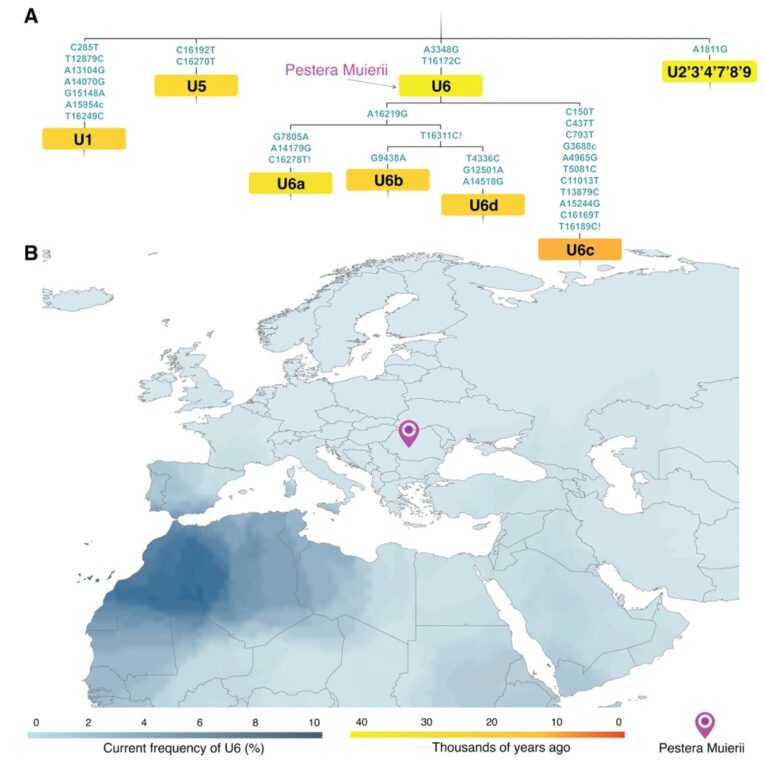
A new article from the Jakobsson Lab members appeared in Scientific Reports. Hervella, M., Svensson, E., Alberdi, A. et al. The mitogenome of a 35,000-year-old Homo sapiens from Europe supports a Palaeolithic back-migration to Africa. Sci Rep 6, 25501 (2016). https://doi.org/10.1038/srep25501 Abstract After the dispersal of modern humans (Homo sapiens) Out of Africa, hominins with a similar morphology to that of present-day…
-
Anatolia as the source of the European Neolithic gene pool
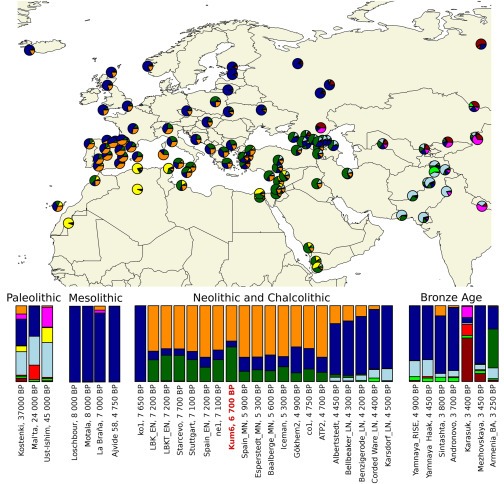
A new article from the lab appeared in Current Biology. Omrak et al. 2016. Genomic Evidence Establishes Anatolia as the Source of the European Neolithic Gene Pool. Report. Current Biology. https://doi.org/10.1016/j.cub.2015.12.019 Highlights
-
Africa – a cross-disciplinary approach to inferring human history
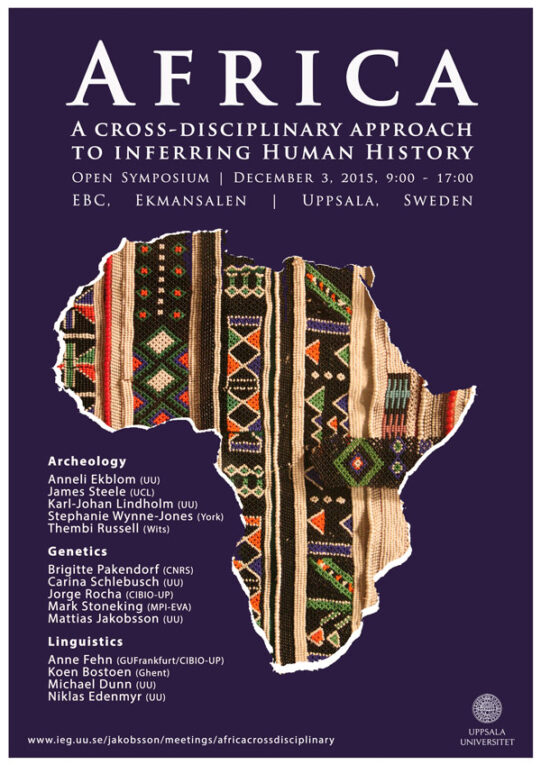
On 3rd December 2015 the Jakobsson Lab organized a mini symposium with experts from various fields of Human Evolution.
-
Ancient genomes link early farmers from Atapuerca in Spain to modern-day Basques
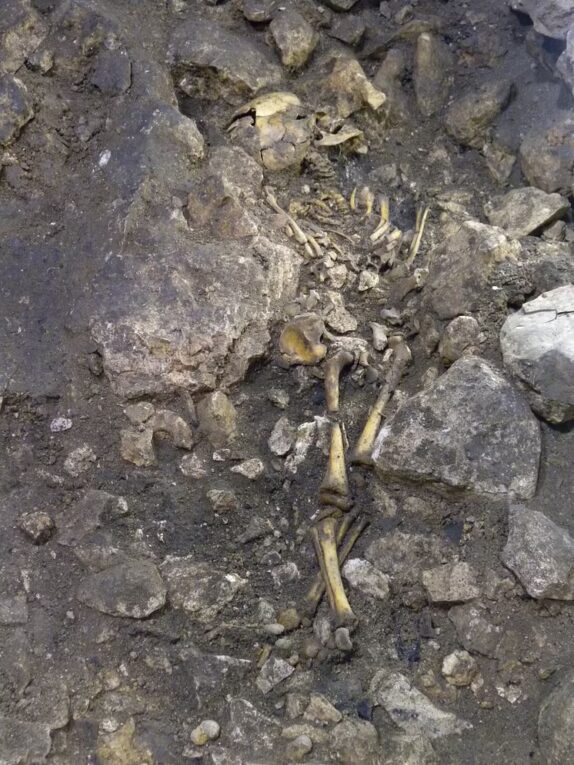
The research described in the article by Günther et al. (2015) in PNAS reveals that early Iberian farmers are the closest ancestors to modern-day Basques, in contrast to previous hypotheses. Significance The transition from a foraging subsistence strategy to a sedentary farming society is arguably the greatest innovation in human history. Some modern-day groups—specifically the…
-
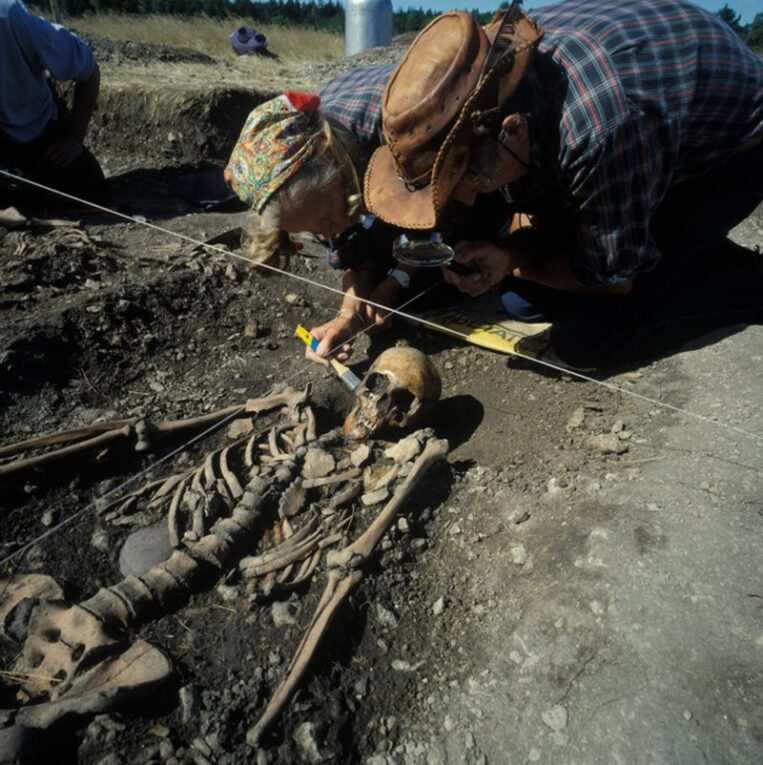
Genomic Diversity and Admixture Differs for Stone-Age Scandinavian Foragers and Farmers
An international team led by researchers at Uppsala University and Stockholm University reports a breakthrough in understanding the demographic history of Stone-Age humans. The findings are published in Science, Skoglund et al. (2014). Abstract Prehistoric population structure associated with the transition to an agricultural lifestyle in Europe remains a contentious idea. Population-genomic data from 11…